

Set Up WireGuard in OpenWrt LuCI and Verify It
Install the LuCI protocol, configure peers and firewall zones, then verify routes and a real WireGuard handshake instead of trusting Save & Apply.
Install the LuCI protocol, configure peers and firewall zones, then verify routes and a real WireGuard handshake instead of trusting Save & Apply.
Choose one network manager, then trace Arch connectivity from driver and link status to DHCP, routing, and DNS for Ethernet or Wi-Fi with practical checks.
HTB shapes outbound traffic only when its class tree and filters match. Build a tc setup, size rates and bursts, and use counters to verify packet flow.

Choose OVS when a controller must steer traffic across hosts; use Linux bridge for a simple local switch. Compare control, overlays, migration, and upkeep.
Put the host’s IP, routes, and DNS in the right place with this guide to temporary iproute2 bridges, persistent NetworkManager profiles, and safe checks.

Run a reliable Linux-to-Linux bandwidth test with iperf3, then validate the result using reverse runs, streams, routes, CPU, sockets, and interface counters.
Capture Linux network evidence with tcpdump by choosing the right interface, writing precise filters, saving PCAPs, and validating results with system tools.
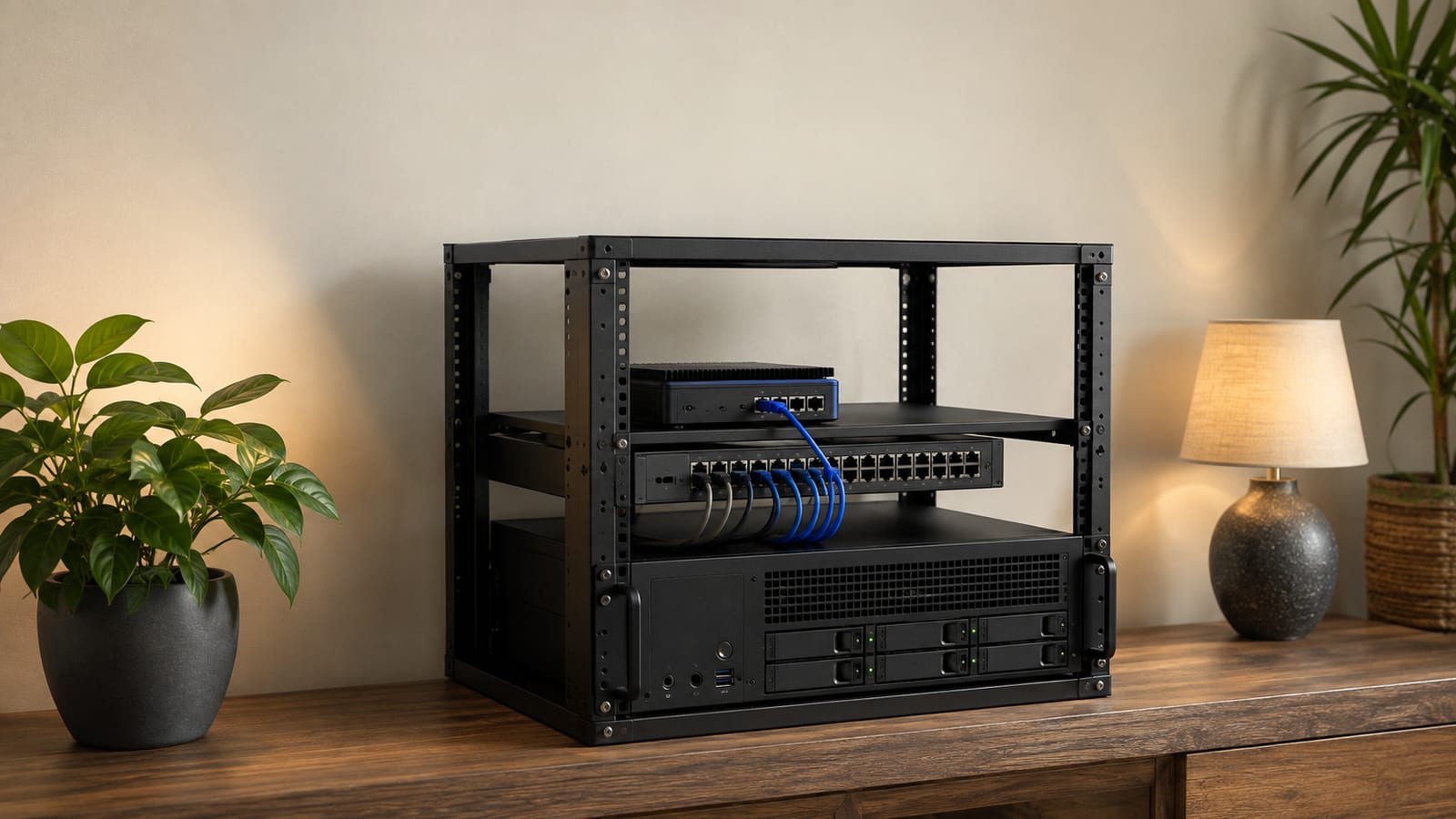
Set up WireGuard on a Linux server with clear steps for keys, routing, firewall rules, NAT, split tunnels, handshakes, and full-tunnel DNS safely.

OpenWrt PPTP speed depends on your router’s CPU and setup. Measure the tunnel with wired iperf3, check CPU load, and identify practical tuning limits.
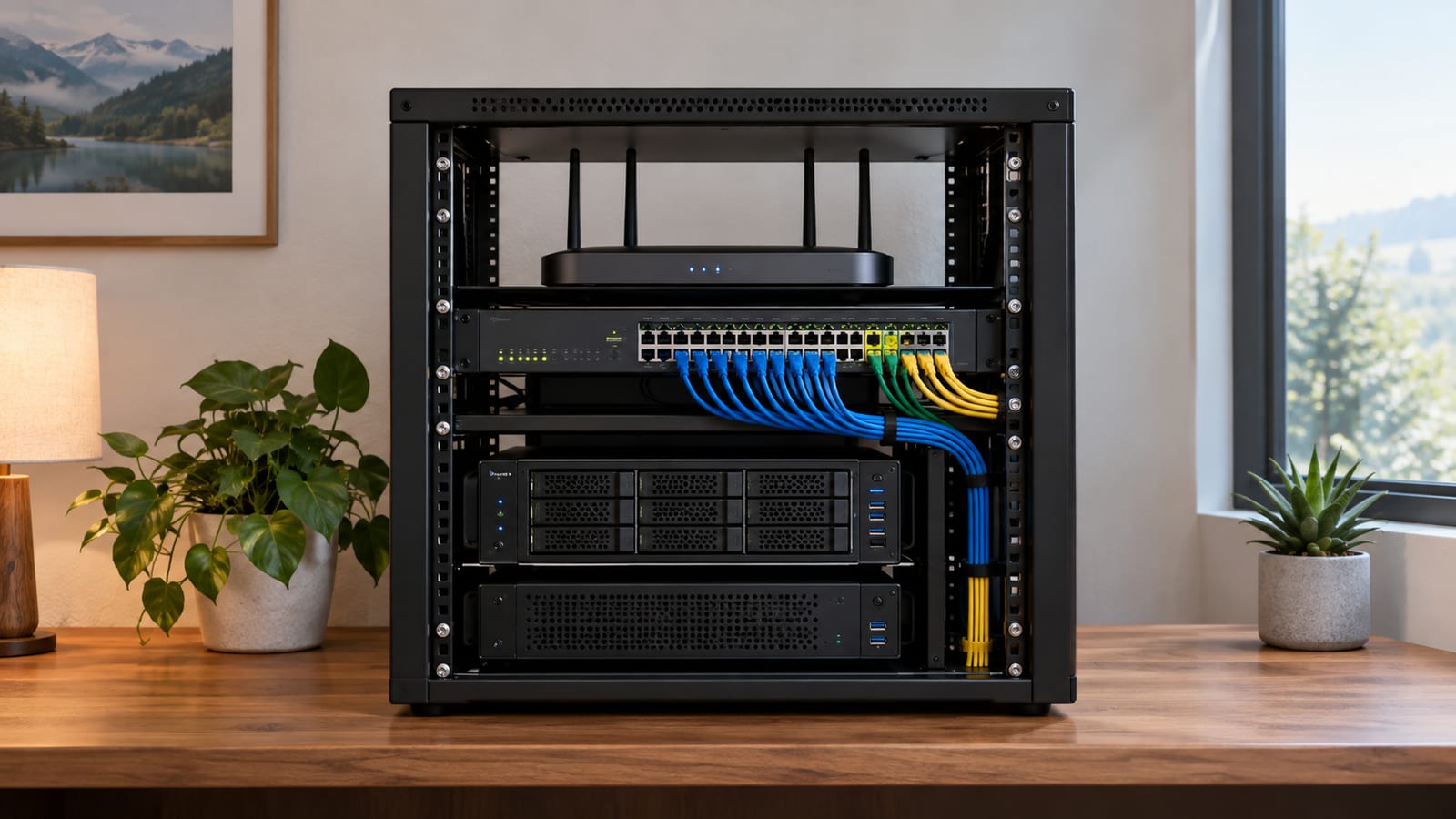
A VLAN tag alone cannot stop lateral traffic. Plan segments, configure trunks and access ports, then route inter-VLAN traffic through firewall rules.

tracepath finds broken routes and shrinking packet sizes without root access on Debian. Install from iputils-tracepath, run in seconds, skip the sudo hassle.
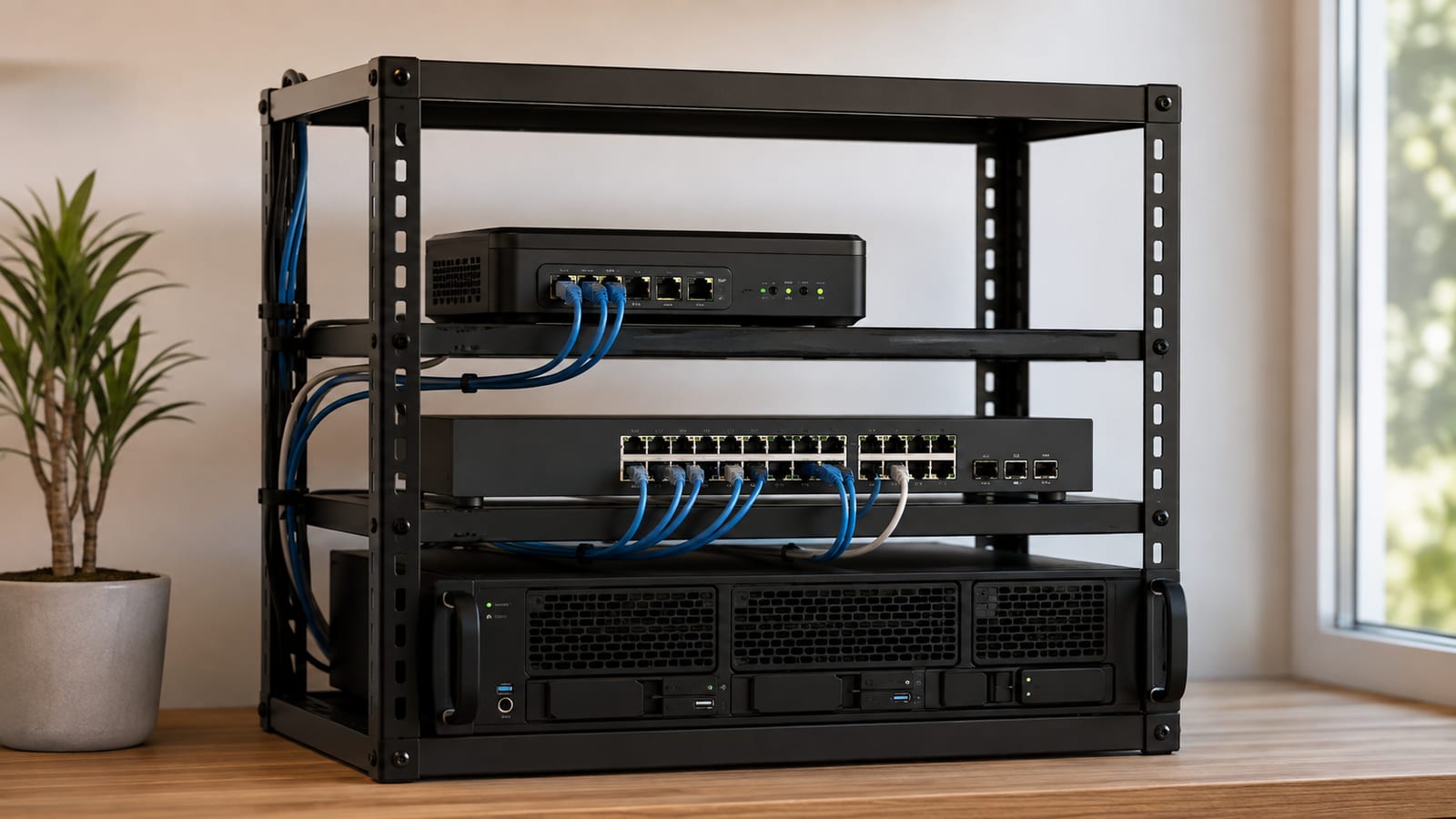
Separate firmware, virtual hardware, and VLAN decisions to build a reliable OpenWrt router VM on Proxmox, with OVMF, virtio NICs, bridges, and trunks.

Ethernet backhaul turns OpenWrt mesh nodes into simple access points; this guide covers bridges, VLANs, roaming, DHCP, and checks to avoid loops.
