
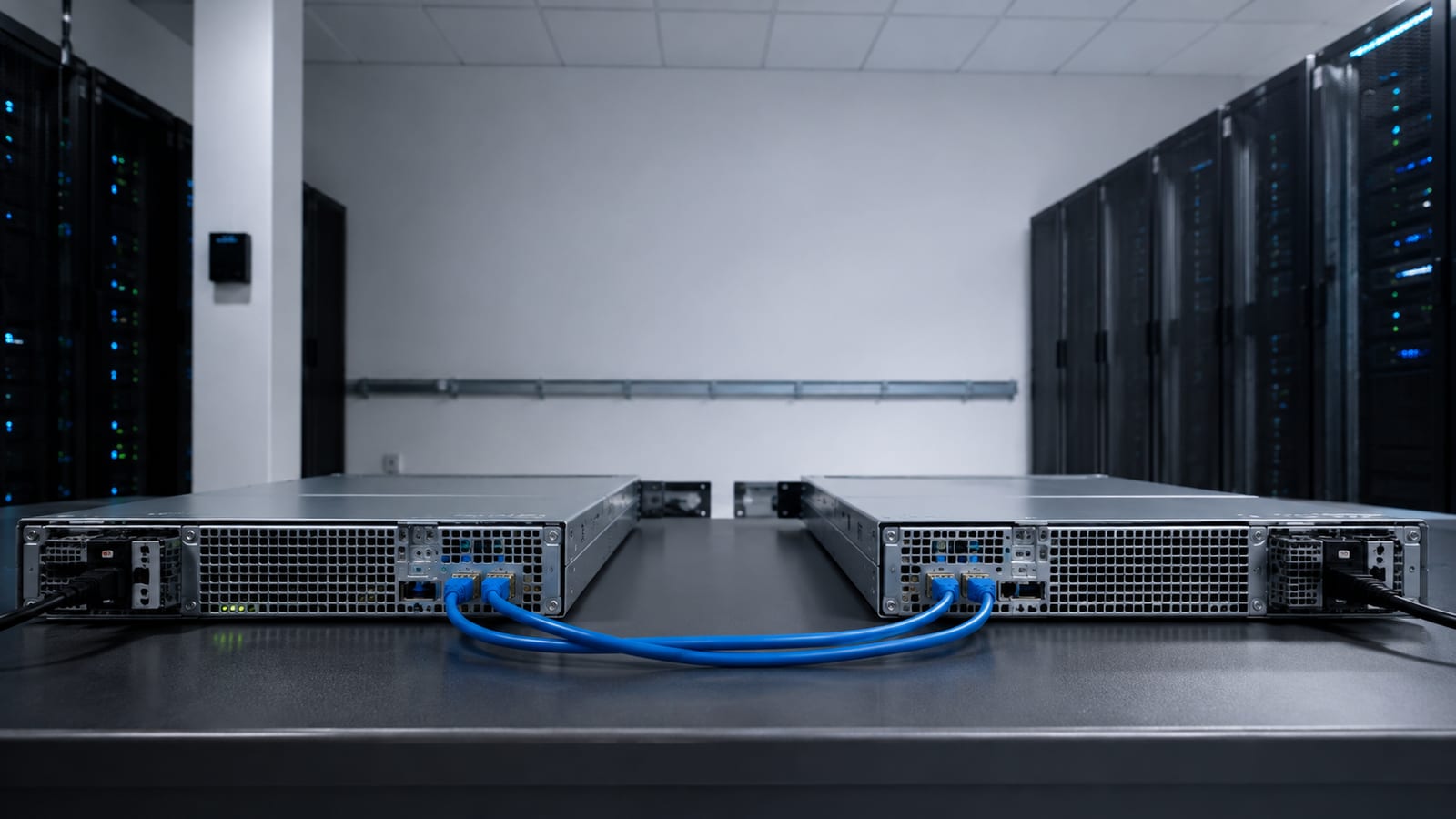
A Practical Iperf3 Method for Linux Server Speed Tests
Run a reliable Linux-to-Linux bandwidth test with iperf3, then validate the result using reverse runs, streams, routes, CPU, sockets, and interface counters.
Run a reliable Linux-to-Linux bandwidth test with iperf3, then validate the result using reverse runs, streams, routes, CPU, sockets, and interface counters.
Kernel executors route compiled kernels to devices and manage dependencies. Learn how OpenCL queues, PyTorch dispatch, and backend delegates actually work.
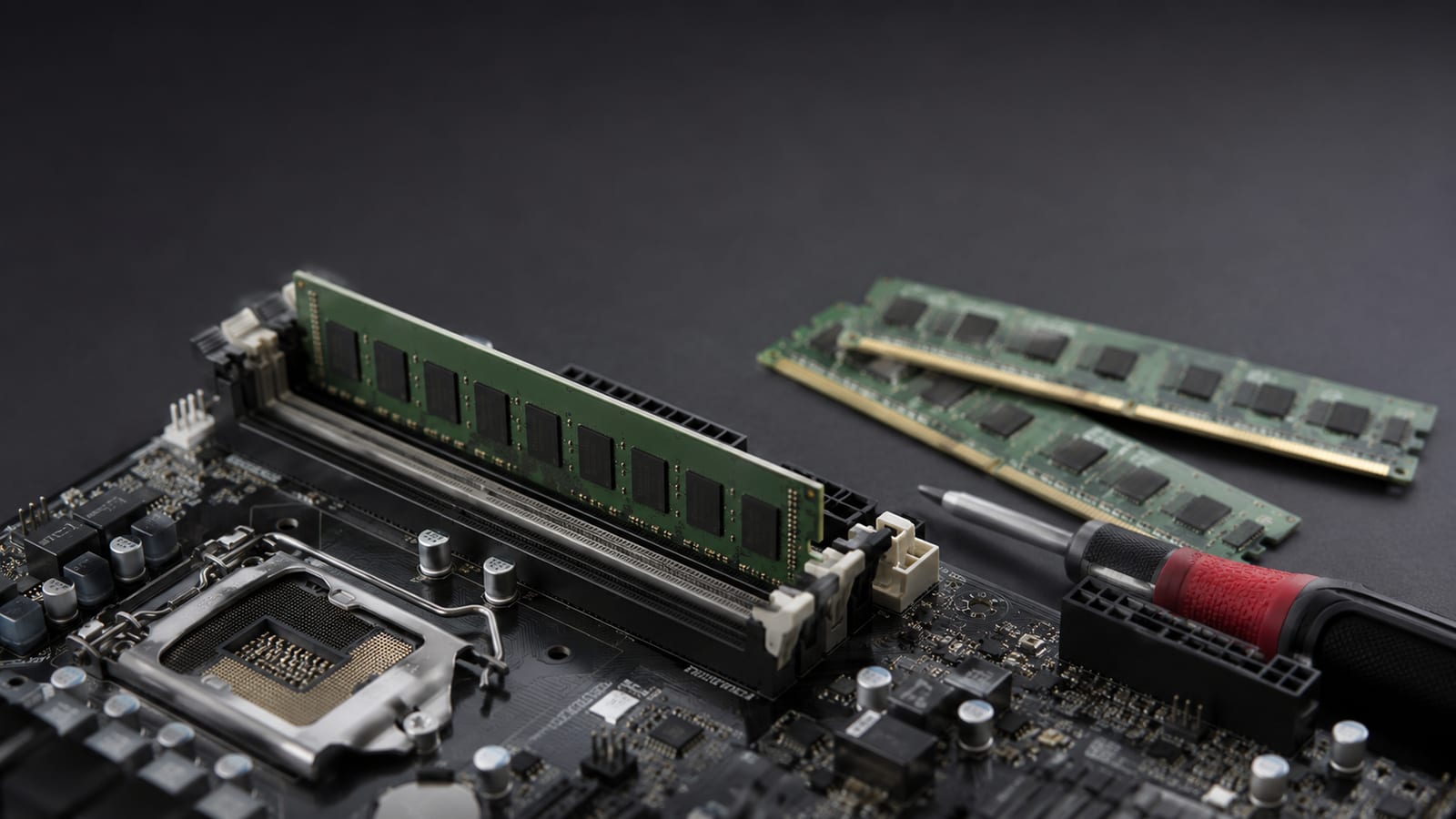
Bare-metal memory testing with MemTest86 catches faults that in-OS tools miss. Learn why multiple passes matter and how to read failing addresses.
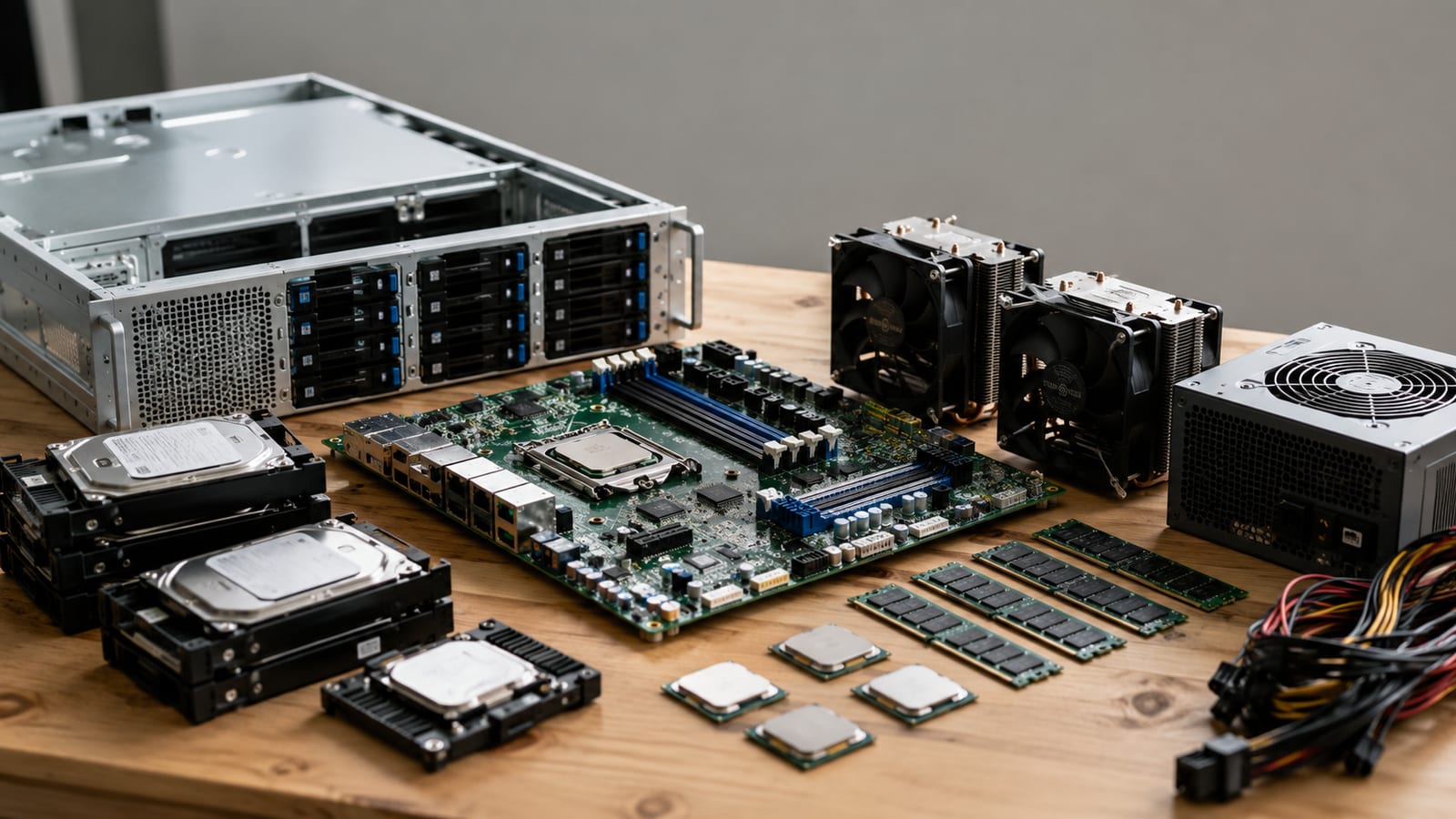
Server builds need ECC memory, RAID, and your ability to debug at 2am. Learn what workloads justify building versus renting or buying pre-built.
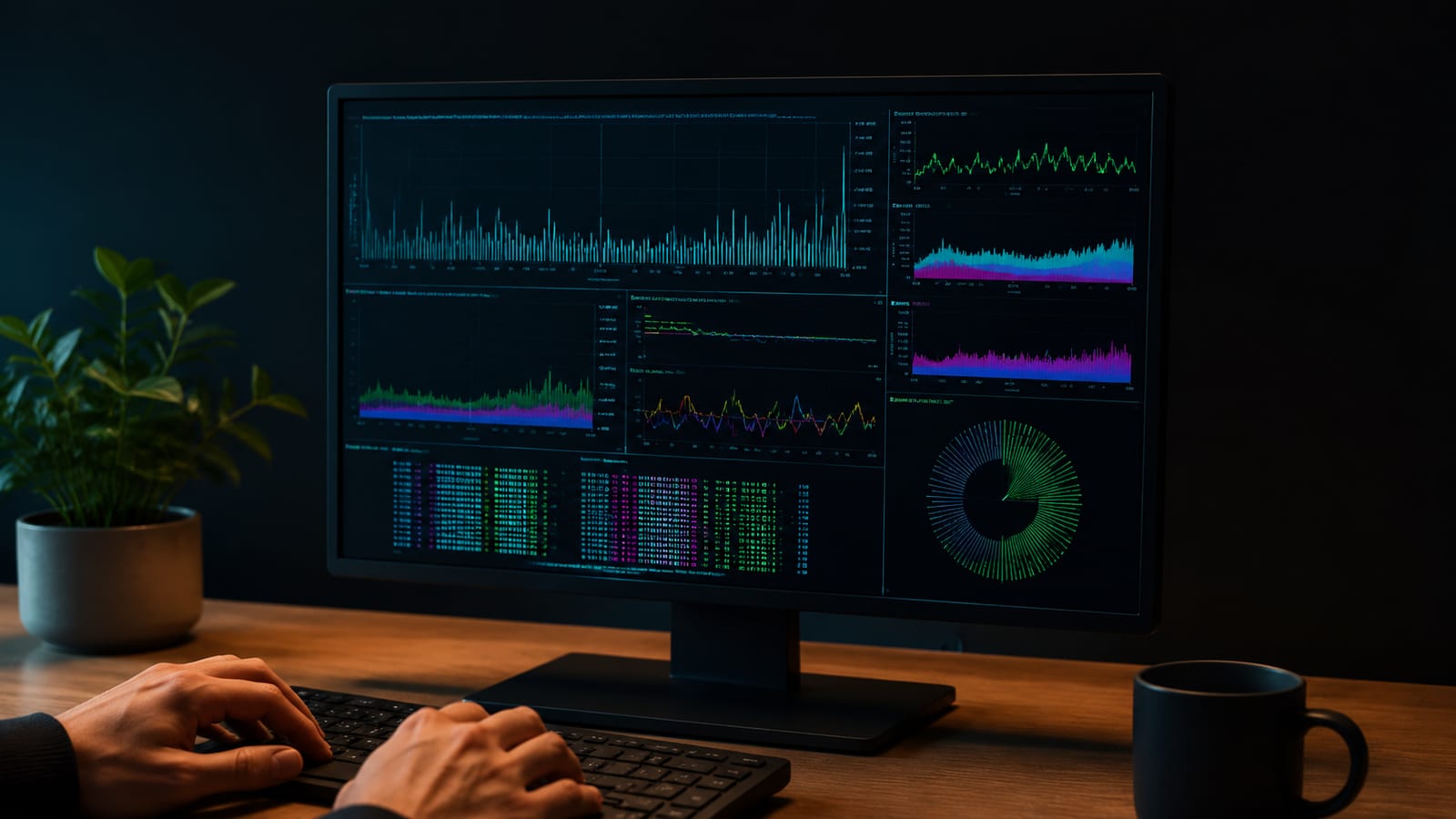
Find the real bottleneck before touching sysctl, swap or BBR. Measure CPU, memory, disk and network on your VPS, then tune only what the numbers point at.

eBPF for DNS monitoring gives me precise visibility into queries and responses without touching daemon code. I attach small programs at kernel tracepoints, parse headers, and capture latency where packets flow. I write steps you can run now: build with libbpf, attach at socket tracepoints, and export structured events to a UI like NetObserv. The […]
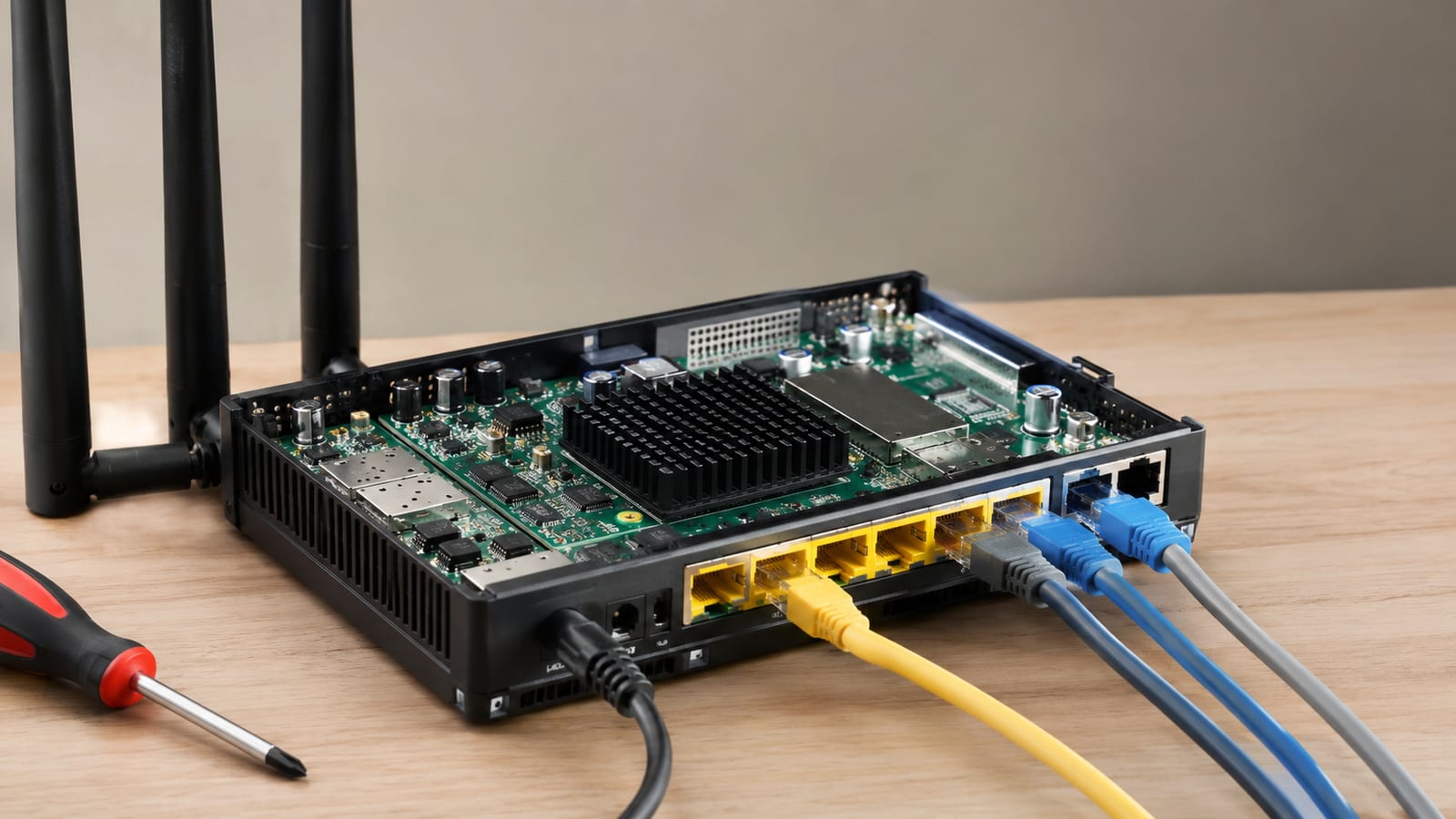
Packet steering can relieve a CPU0 softirq bottleneck on multi-core OpenWrt routers, but /proc/interrupts measurements should guide the setting.
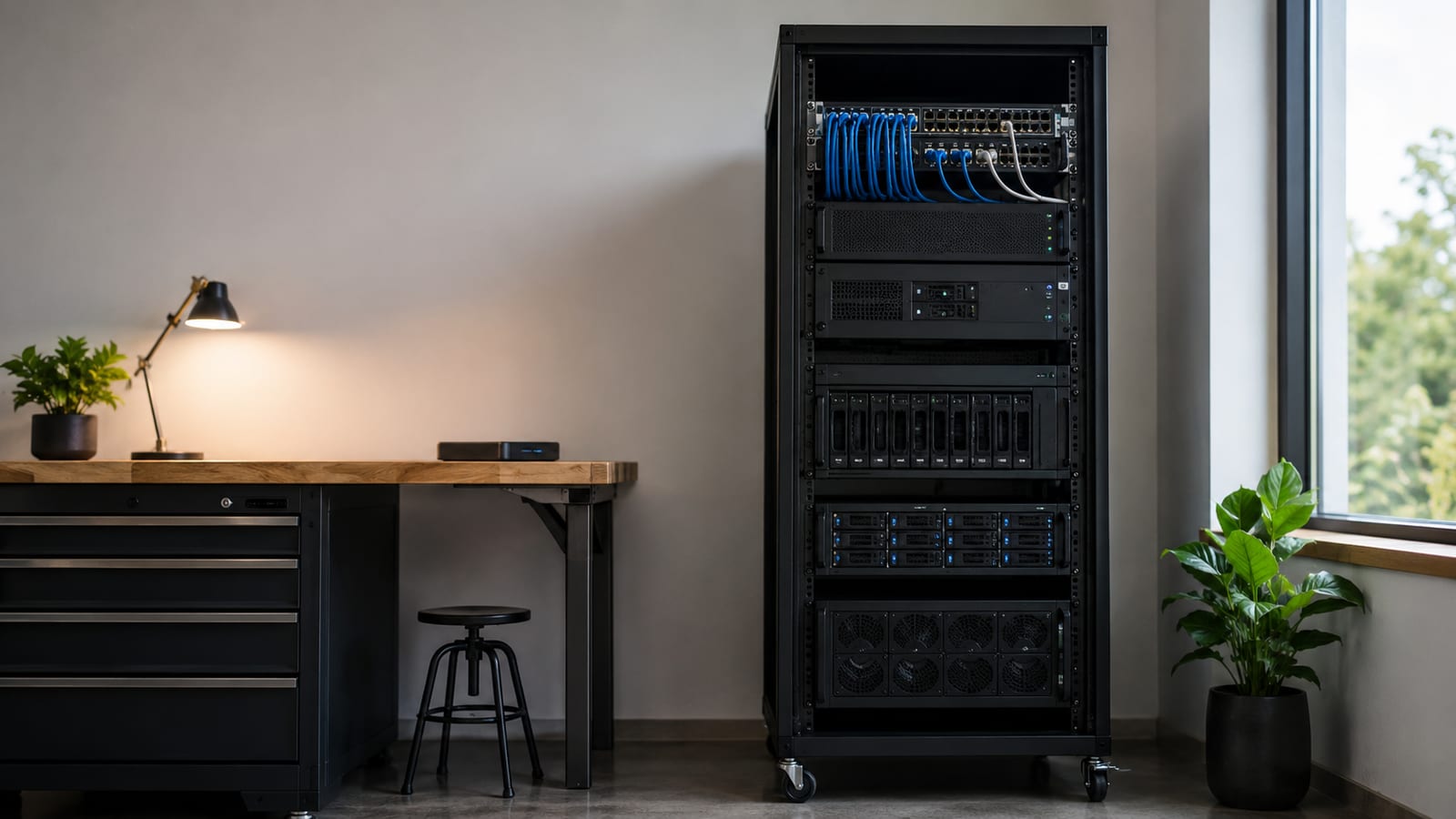
Use bpftrace for a quick question, BCC for repeatable scripts, perf for traditional sampling, and Rust with Aya only when existing tools cannot express.
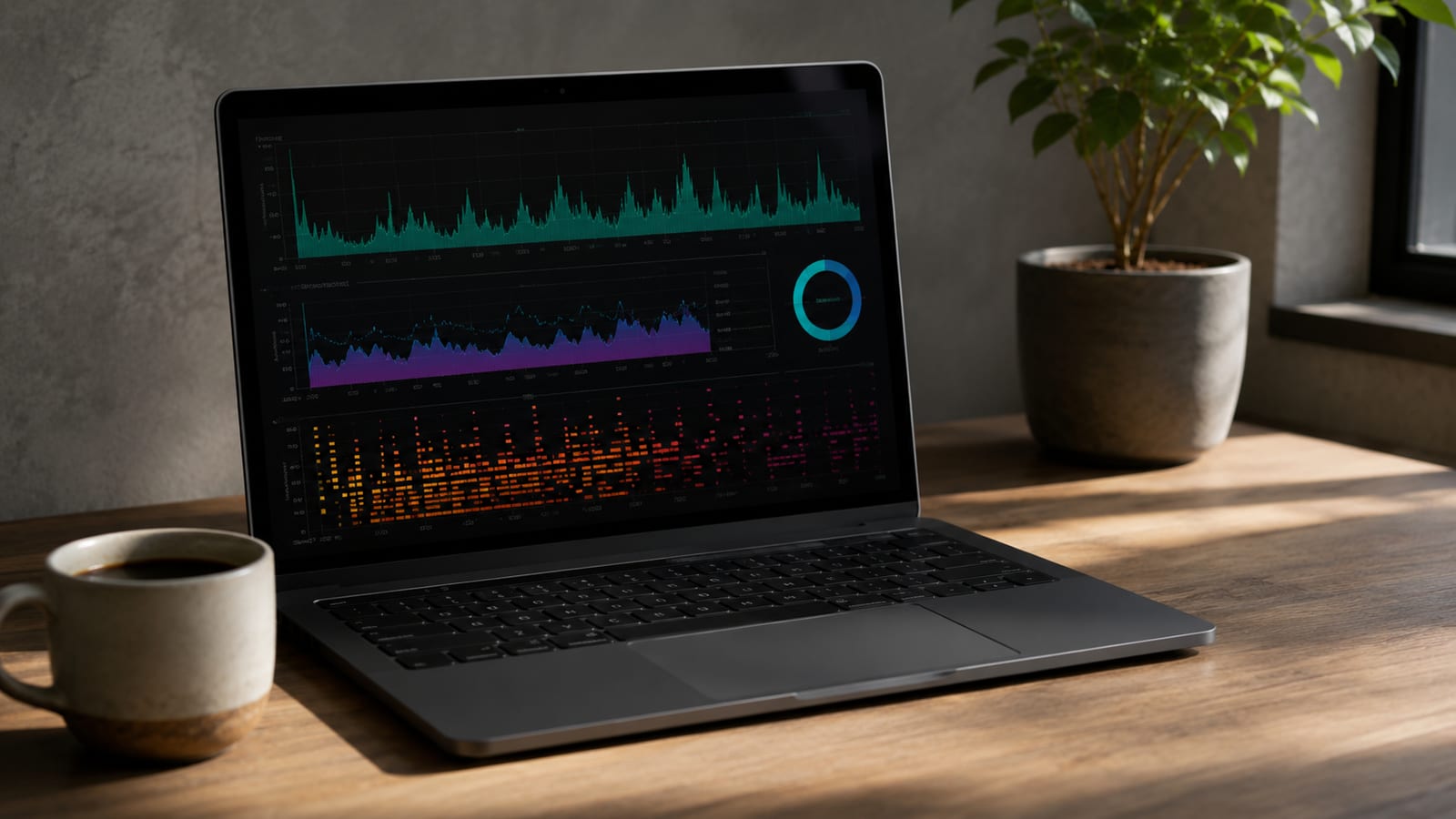
Kernel overhead drains CPU cycles through privilege transitions, context switching, and memory isolation. Learn what causes it and how to measure it yourself.
Run `bpftool feature` before you write any code, because an eBPF load balancer only earns its place when you actually need to forward or drop packets before.
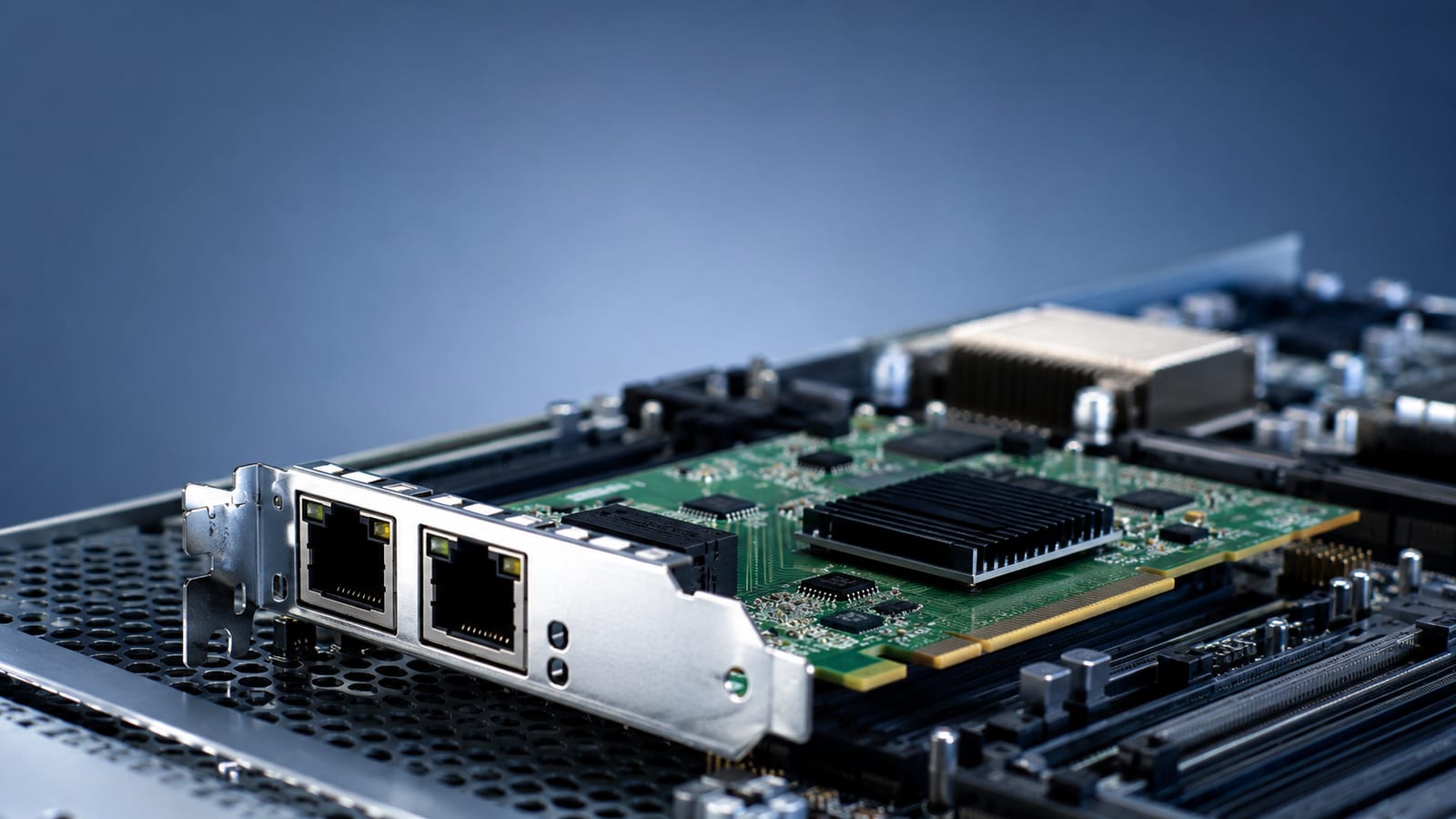
XDP offload runs programs on the NIC processor, not your CPU. Learn which modes actually use hardware and how to verify your real attach mode.
poll() works for small file descriptor sets with POSIX compatibility; switch to epoll at scale. Learn when each syscall fits and common pitfalls to avoid.
