
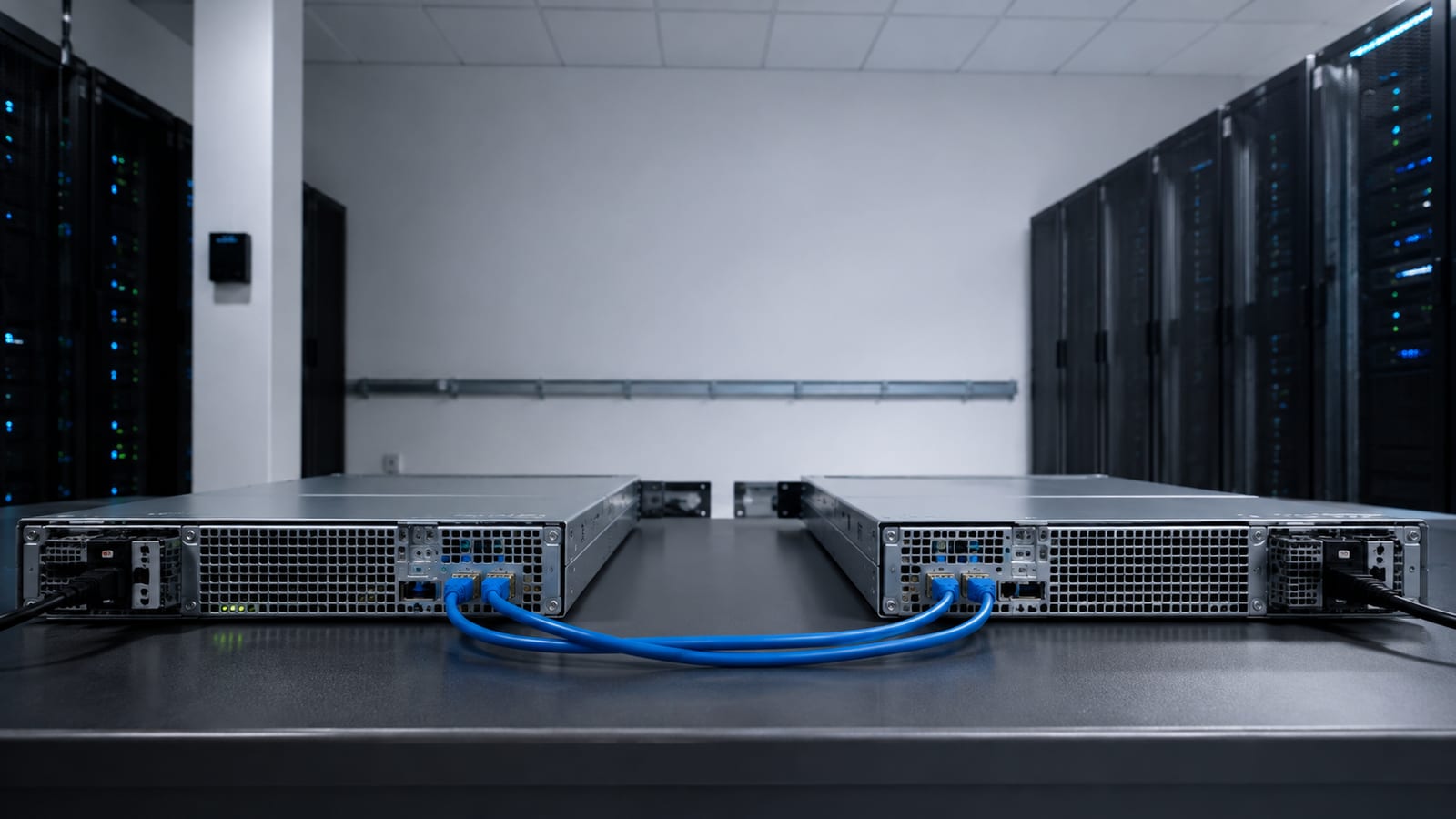
A Practical Iperf3 Method for Linux Server Speed Tests
Run a reliable Linux-to-Linux bandwidth test with iperf3, then validate the result using reverse runs, streams, routes, CPU, sockets, and interface counters.
Run a reliable Linux-to-Linux bandwidth test with iperf3, then validate the result using reverse runs, streams, routes, CPU, sockets, and interface counters.
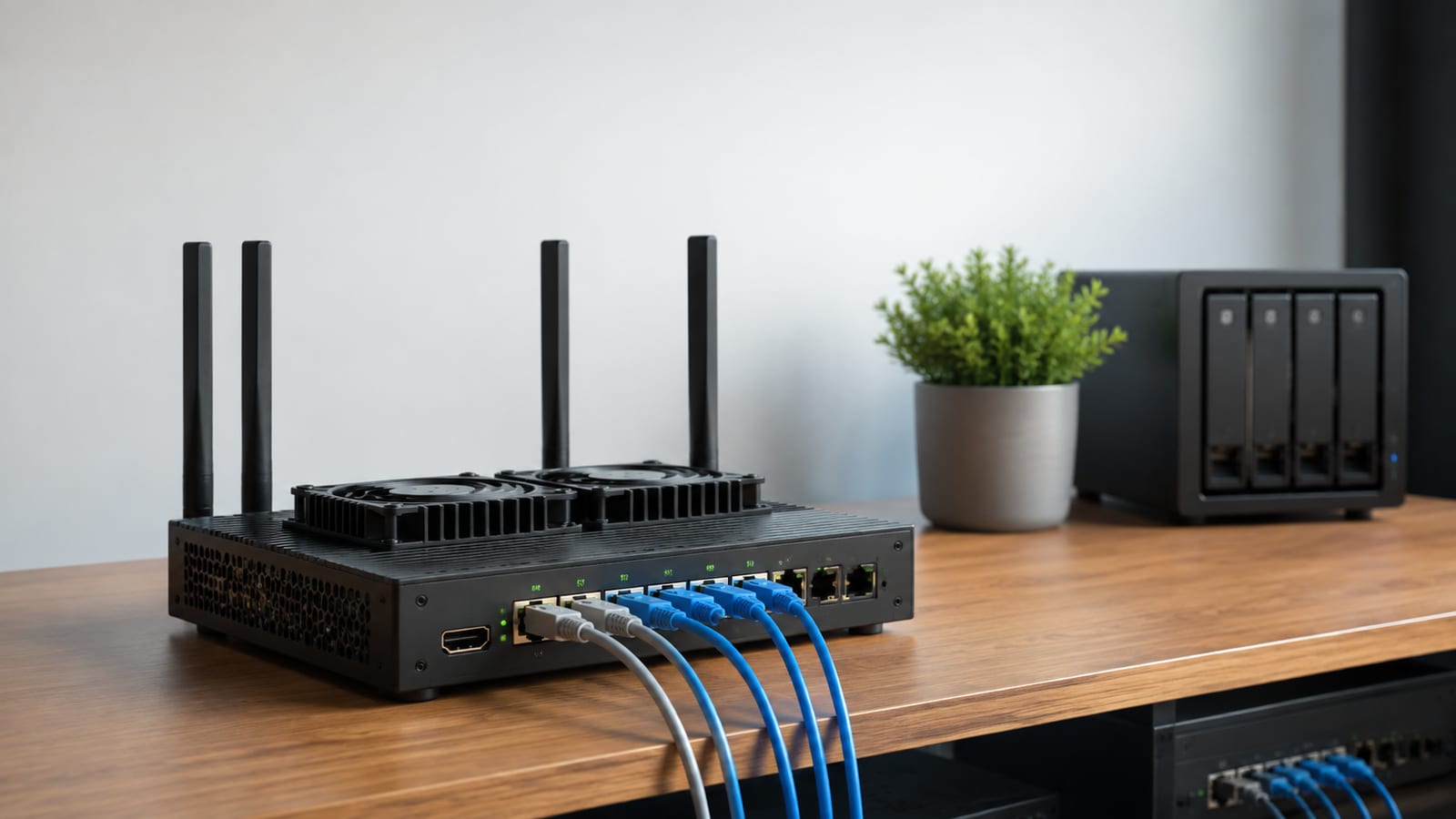
OpenWrt PPTP speed depends on CPU, encryption, and GRE overhead. Use wired iperf3 tests, CPU checks, and repeatable benchmarks to find your real limit.
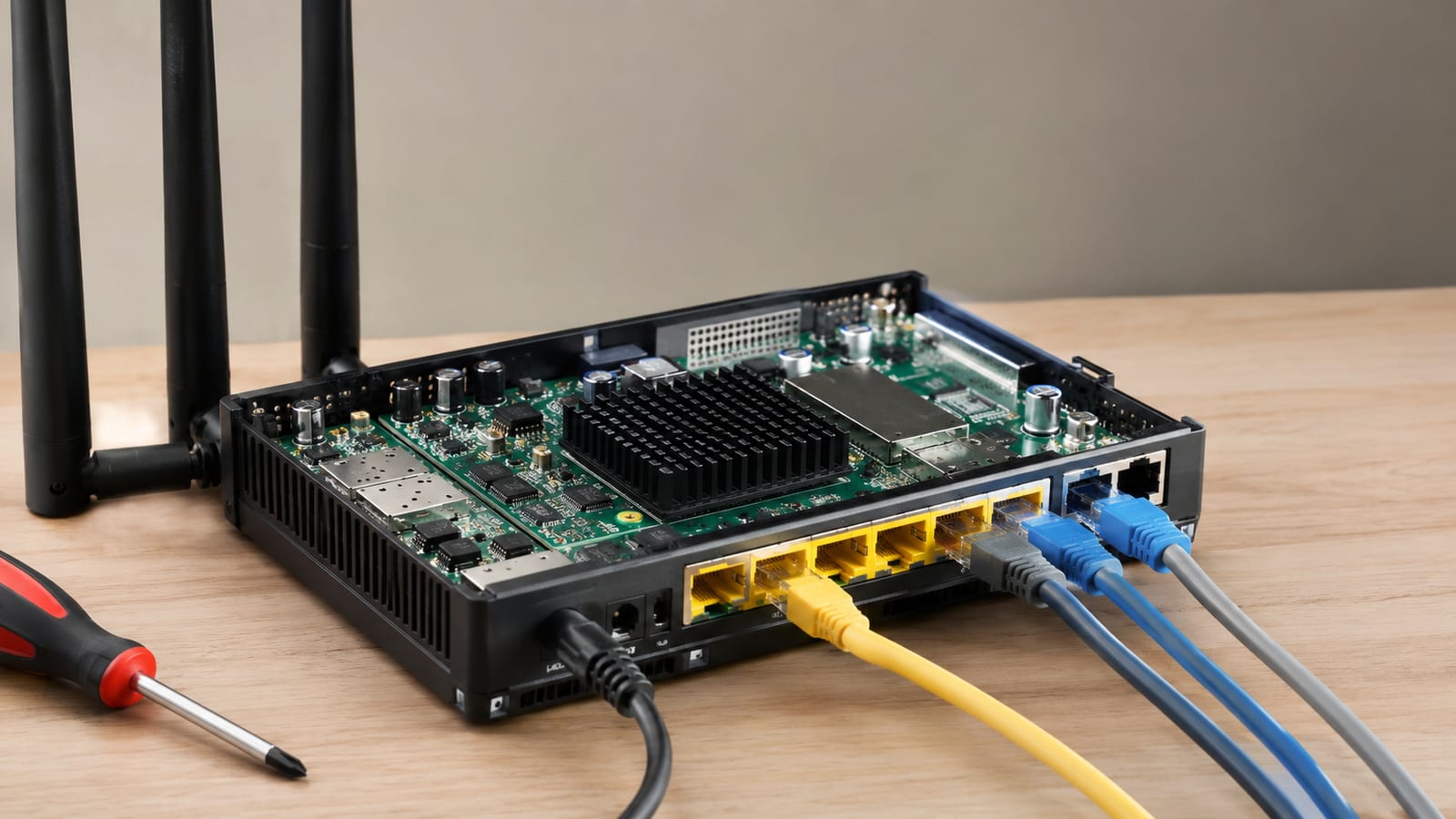
Packet steering can relieve a CPU0 softirq bottleneck on multi-core OpenWrt routers, but /proc/interrupts measurements should guide the setting.

Run `bpftool feature` before you write any code, because an eBPF load balancer only earns its place when you actually need to forward or drop packets before.
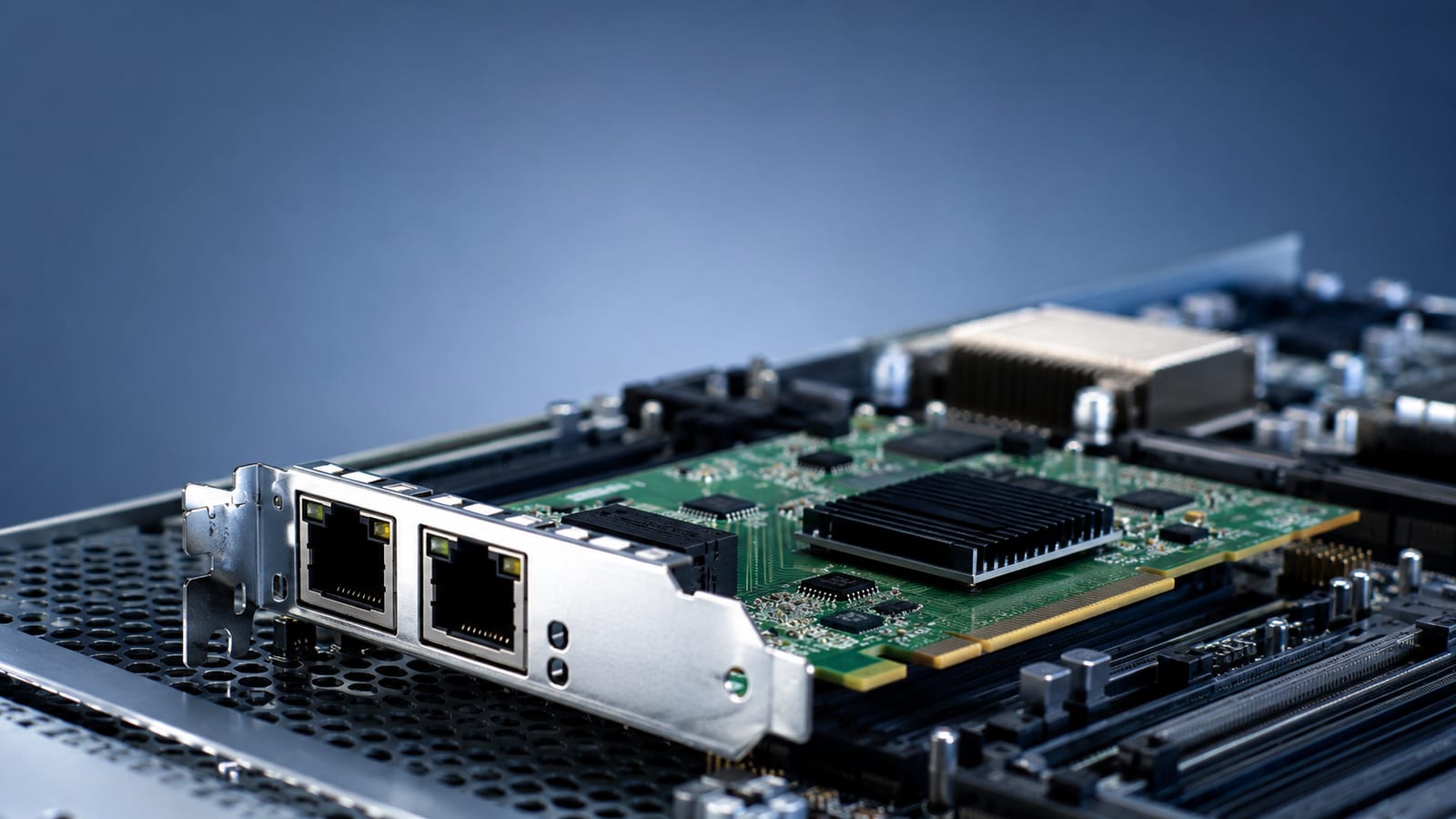
XDP offload runs programs on the NIC processor, not your CPU. Learn which modes actually use hardware and how to verify your real attach mode.
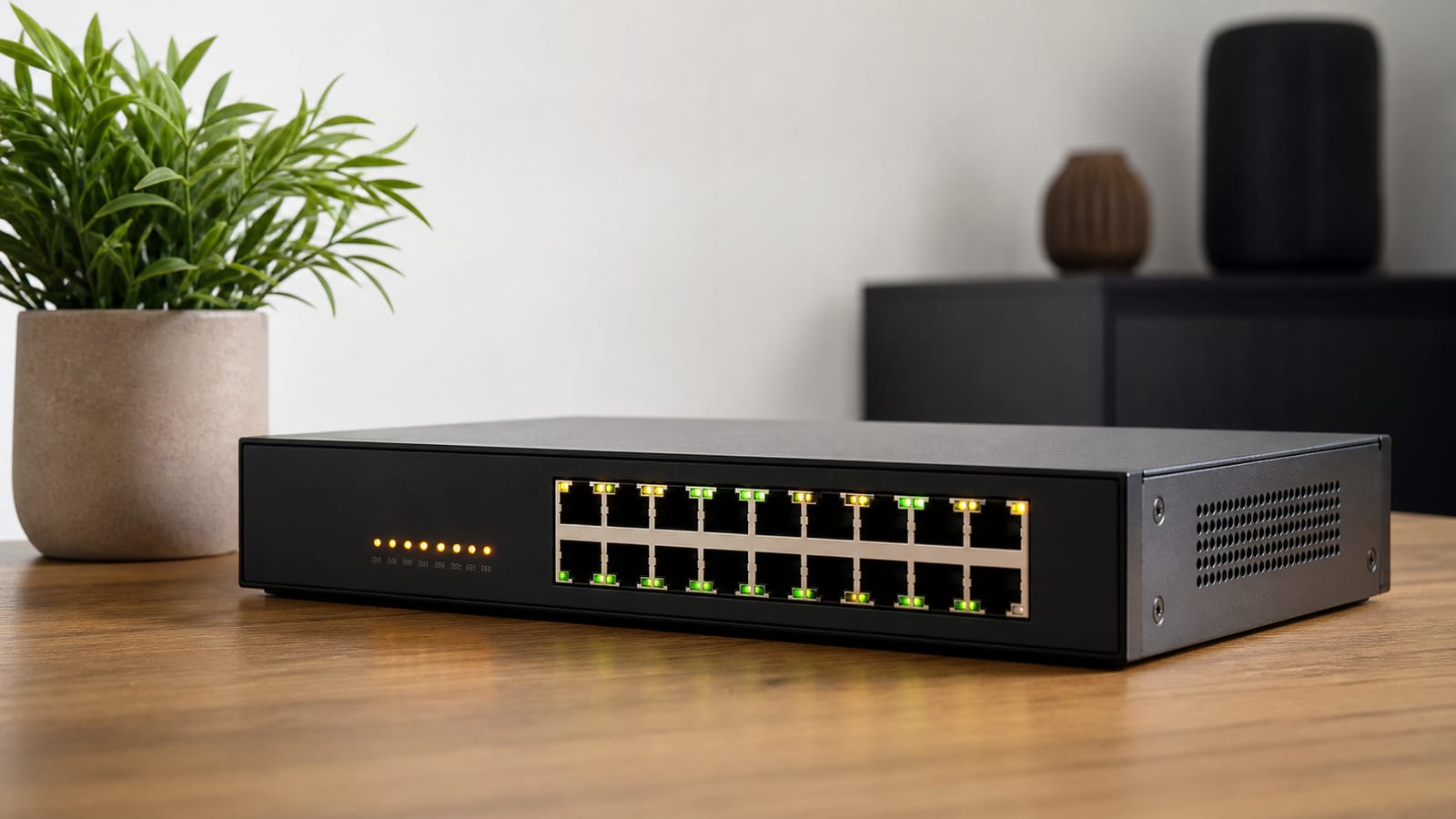
TP-Link SG2210XMP-M2 leads our tested PoE switches for homelabs, offering 2.5G ports and 10G uplinks. Compare fanless options with real PoE budgets.

Ethernet backhaul turns OpenWrt mesh nodes into simple access points; this guide covers bridges, VLANs, roaming, DHCP, and checks to avoid loops.

Katran forwards packets at the NIC receive path using eBPF and XDP, eliminating userspace overhead and lock contention to hold at Facebook scale.
