
How Kernel Executors Dispatch Compute to Hardware
Kernel executors route compiled kernels to devices and manage dependencies. Learn how OpenCL queues, PyTorch dispatch, and backend delegates actually work.
Kernel executors route compiled kernels to devices and manage dependencies. Learn how OpenCL queues, PyTorch dispatch, and backend delegates actually work.
eBPF portability depends on the target kernel, not just the CPU. This guide covers clang, libbpf, CO-RE, BTF, verifier checks, and ARM loading.

I tested an eBPF JIT verification offload design because load-time checks slow my workflow—and I wanted a safe, auditable path that kept runtime behavior unchanged. I felt the tension: native machine code running in kernel mode is powerful, and a single bad decision can break security or memory safety. Here I state the key idea […]
eBPF programs redirect packets at XDP or TC hooks before the kernel routing table is consulted, causing routing confusion when troubleshooting.
The right eBPF hooks expose plaintext on tun0 or wg0 and ciphertext on the NIC, with practical guidance on correlation, probes, and failure diagnosis.

Skip dashboards for unreliable counts. Start with /proc/net/dev and tc qdisc, then layer nlbwmon for per-IP accountability on OpenWrt routers.

Build an eBPF XDP program that stops SYN floods at the NIC driver with per-IP rate limiting, hash maps, and line-rate packet drops before the kernel stack.
Enable eBPF on OpenWrt by configuring kernel flags, building custom firmware, and verifying support with bpftool – complete setup steps for routers.
XDP intercepts packets in the driver before the kernel allocates buffers, enabling high-volume DDoS mitigation and load balancing with minimal CPU cost.
A focused eBPF trace starts with logs and strace, then uses the right hook, attribution fields, and verifier-safe code to answer one question.
Use bpftrace for a quick question, BCC for repeatable scripts, perf for traditional sampling, and Rust with Aya only when existing tools cannot express.

Kernel overhead drains CPU cycles through privilege transitions, context switching, and memory isolation. Learn what causes it and how to measure it yourself.
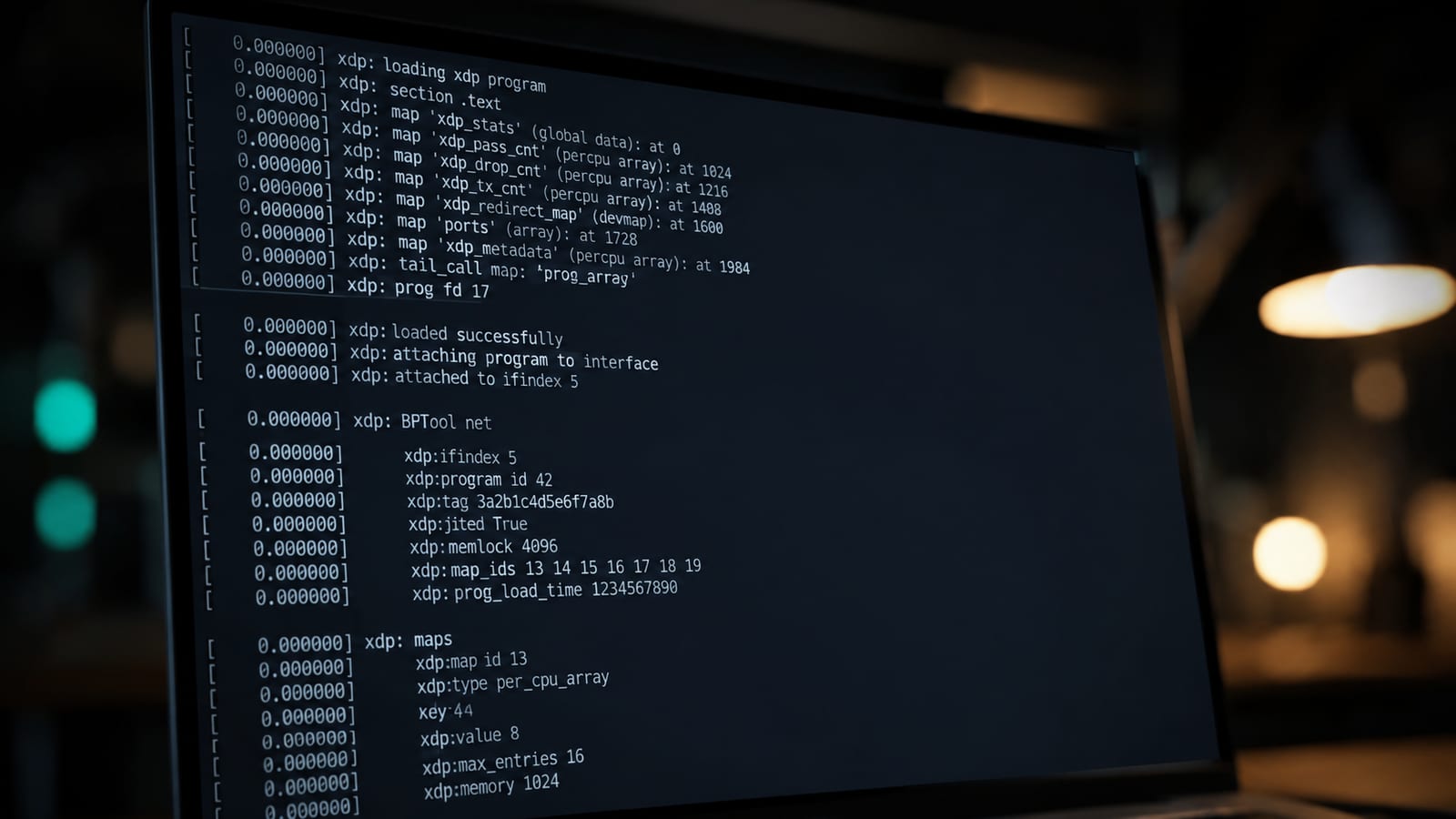
Load and attach XDP programs to network interfaces using bpftool and ip link pinned syntax. Master the two-step process: pin first, then attach to eth0.
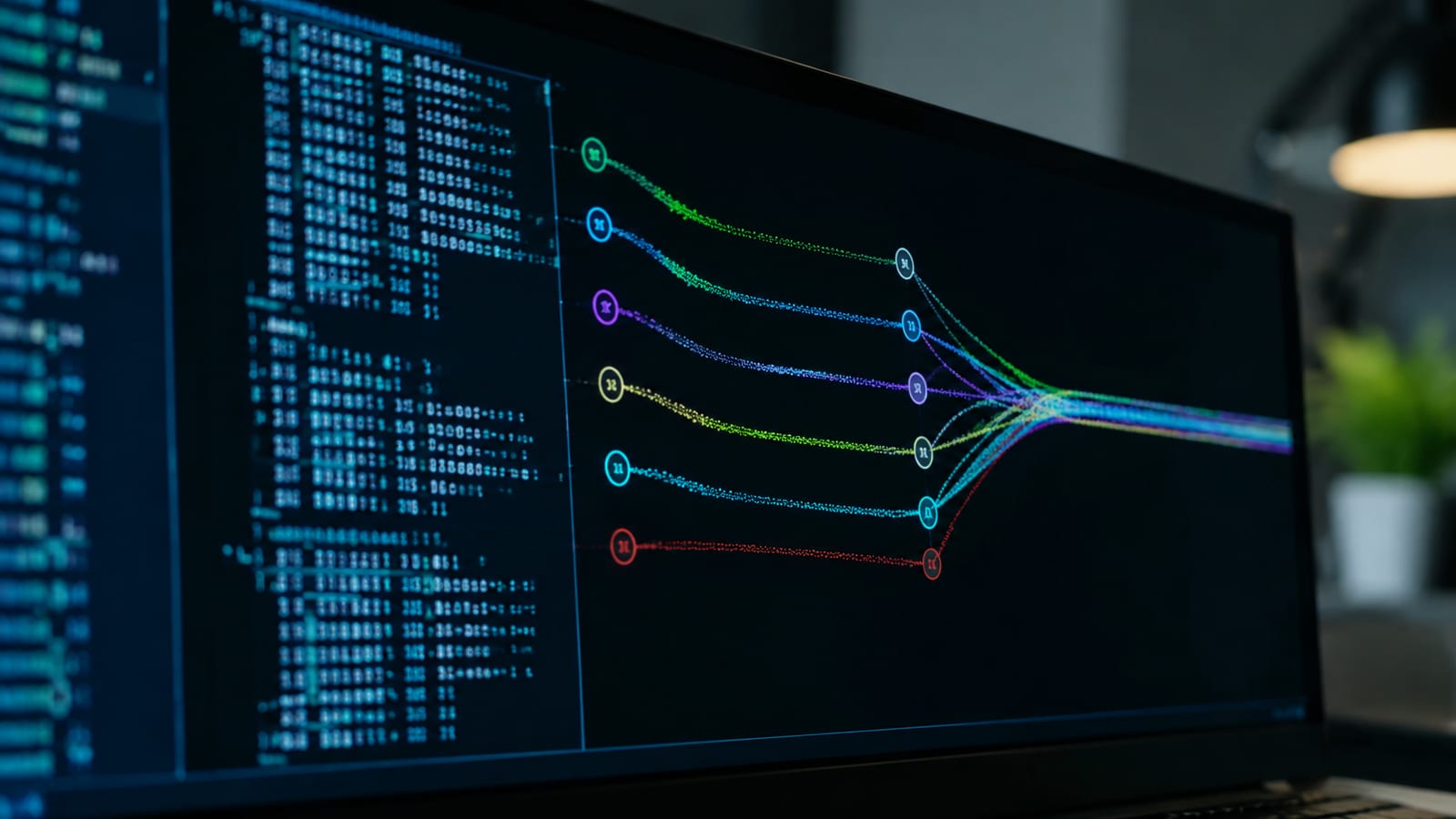
Run `bpftool feature` before you write any code, because an eBPF load balancer only earns its place when you actually need to forward or drop packets before.
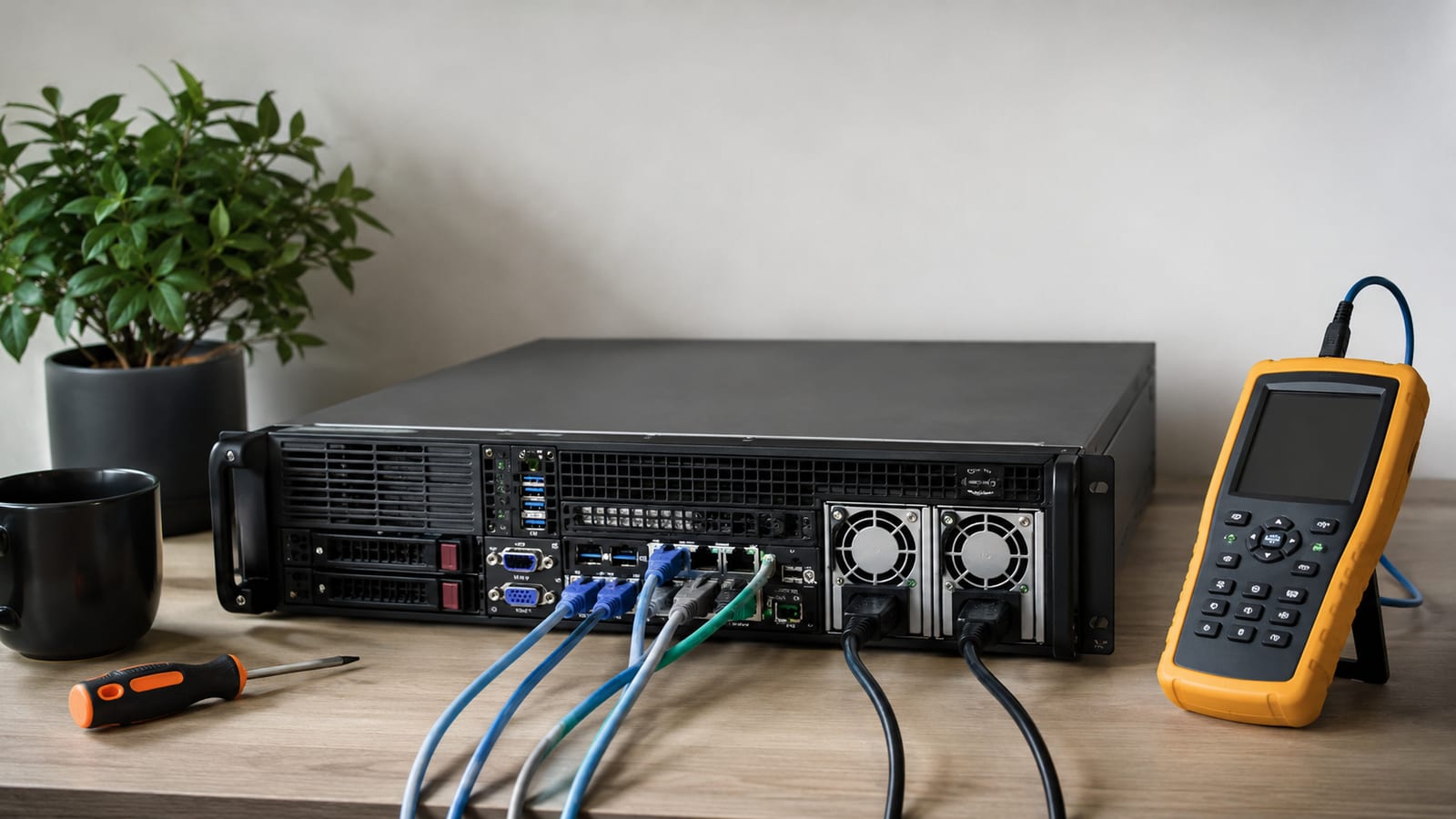
Most probe shell failures come from a mismatched process, account, or environment. Trace execve, logs, paths, and integration to isolate the real cause.

bpffs mount requires CAP_SYS_ADMIN for both the mount and bpf() syscall. Learn how to diagnose failures, make mounts persistent, and secure pins across reboots.
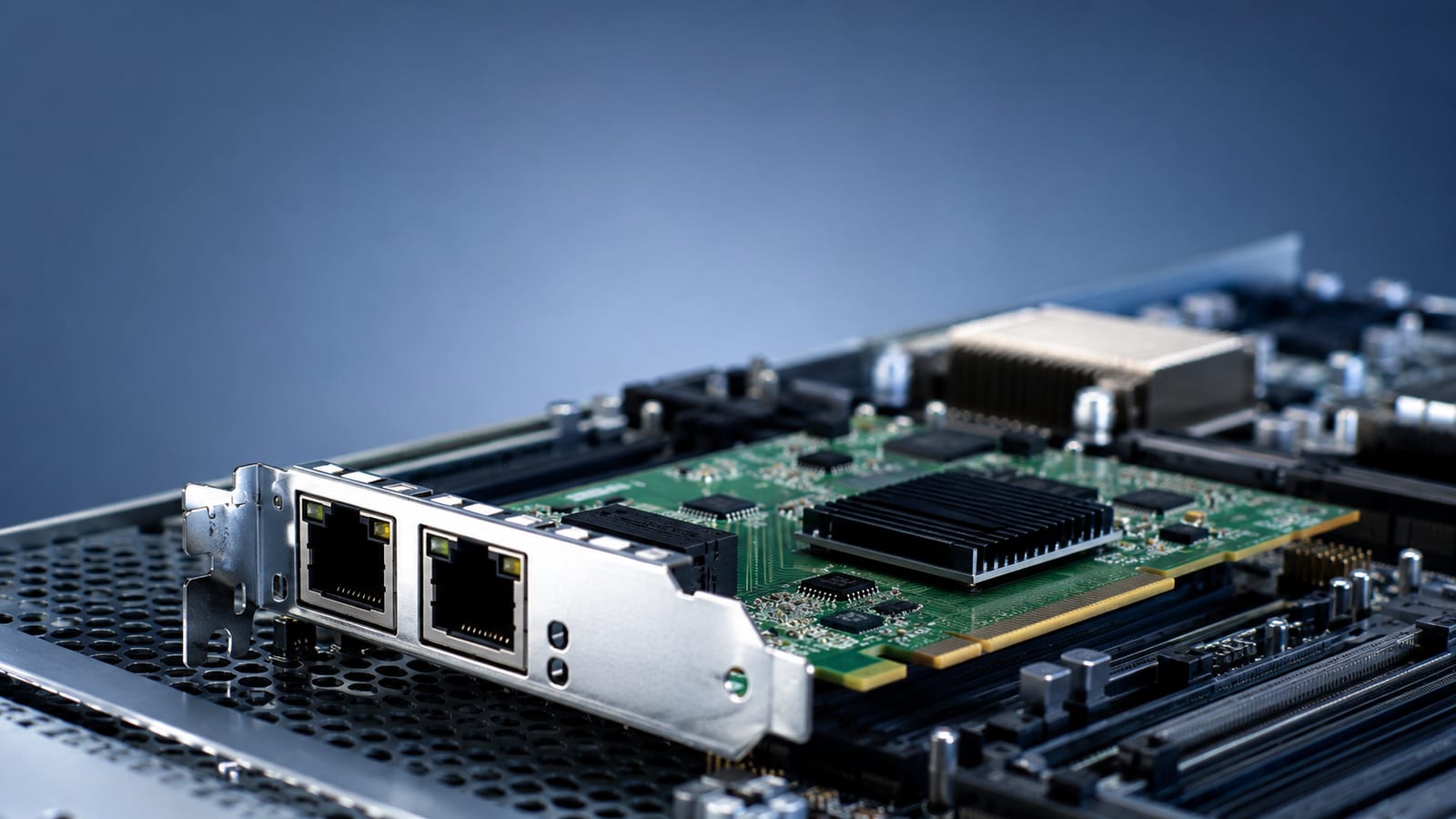
XDP offload runs programs on the NIC processor, not your CPU. Learn which modes actually use hardware and how to verify your real attach mode.
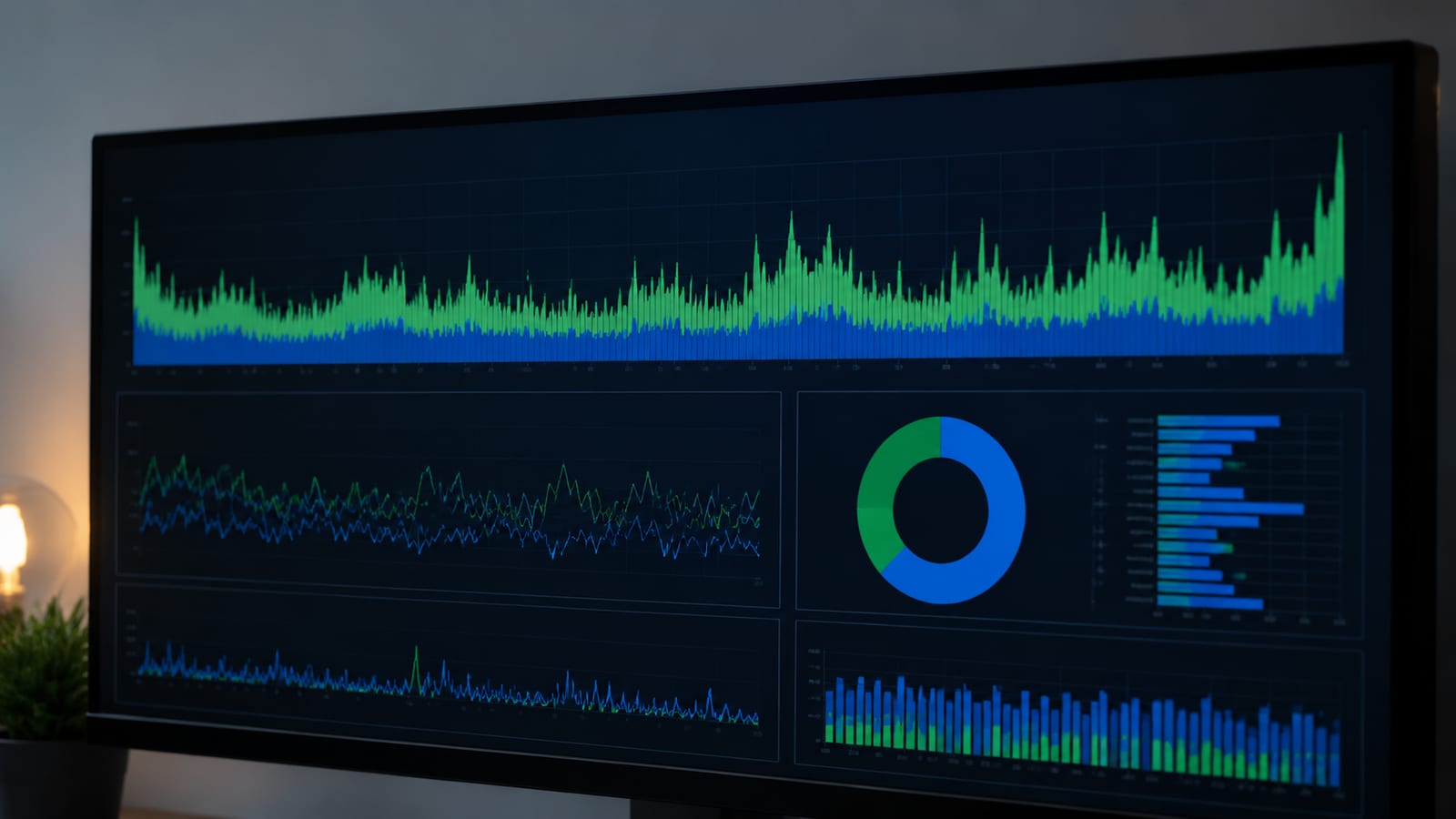
Kernel times show OS overhead on your CPU. Learn what drives them high, how to spot driver problems in Task Manager, and the tools to diagnose the real culprit.
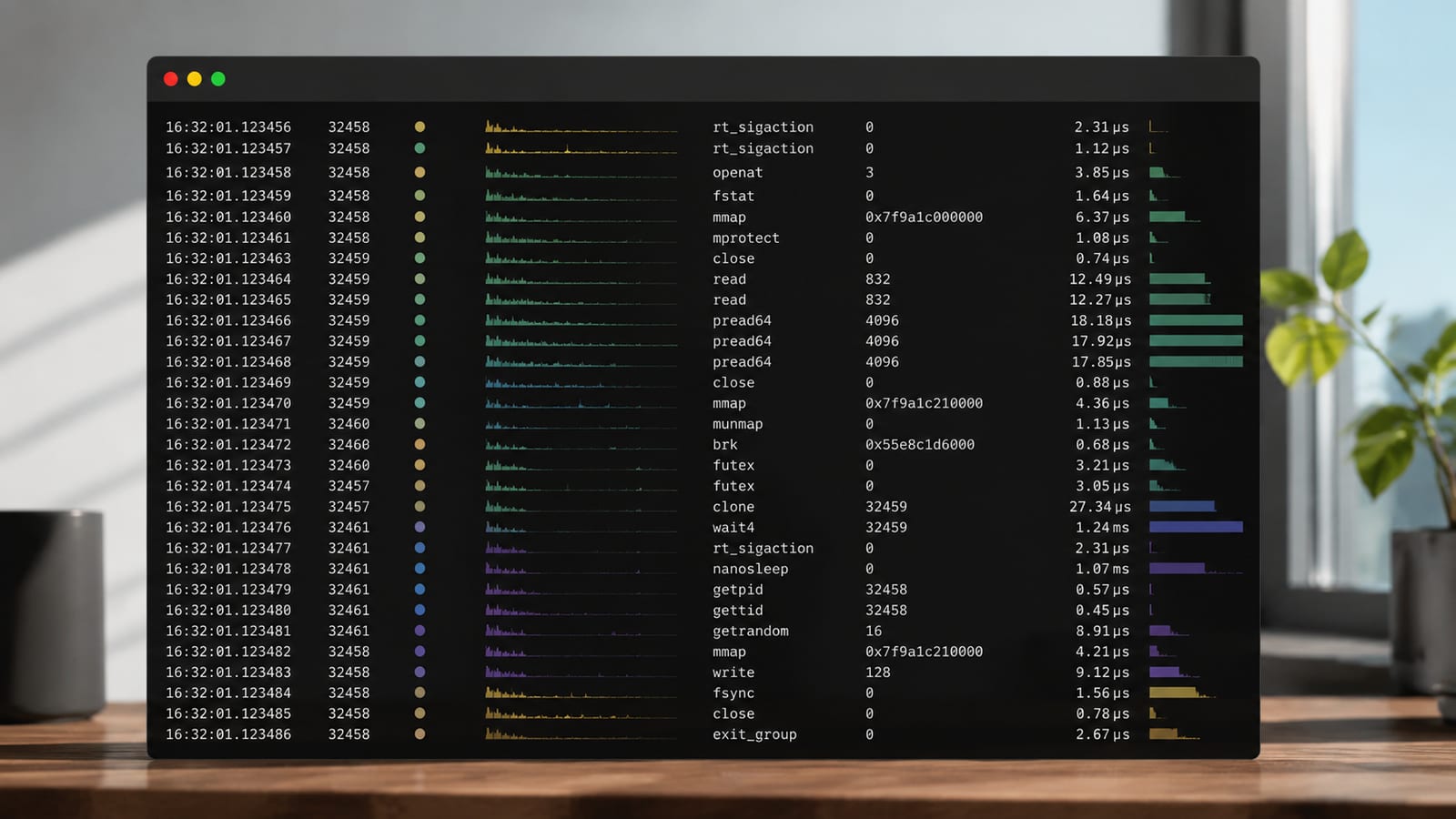
Diagnose Linux latency by tracing syscalls with strace, perf trace, or BCC tools. Learn which tool fits production vs development and how to read the results.

Pixie uses eBPF to expose Kubernetes HTTP, gRPC, TLS, database, and network telemetry without code changes, while showing where kernel-level visibility ends.
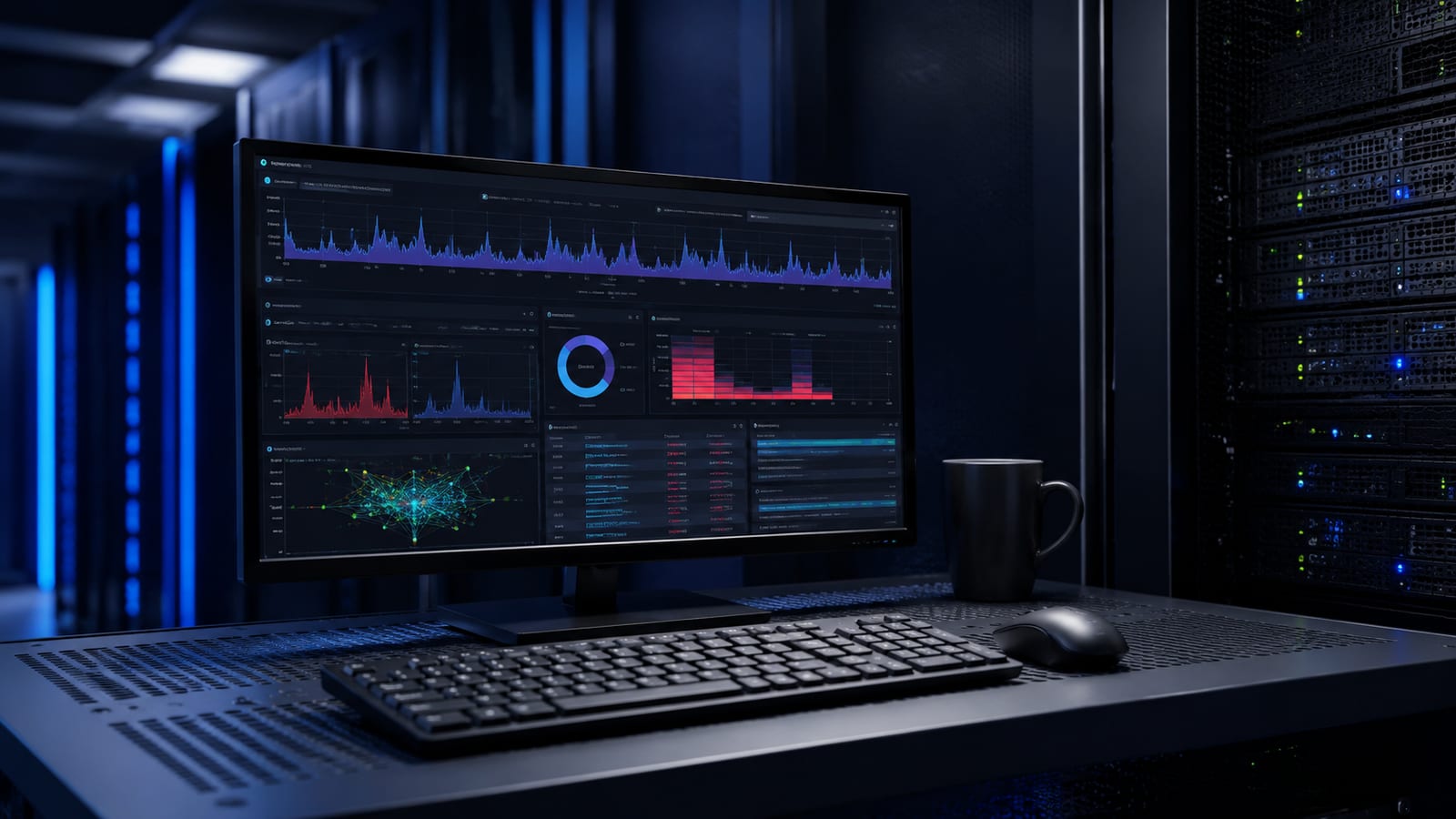
Falco requires modern eBPF drivers, DaemonSet deployment, rule tuning, and Falcosidekick integration to catch runtime threats in production clusters.
Katran forwards packets at the NIC receive path using eBPF and XDP, eliminating userspace overhead and lock contention to hold at Facebook scale.
Cilium eBPF use cases include identity-based policy, service load balancing, and flow visibility, with clear limits for custom tooling and basic networking.
Build OpenWrt with working eBPF support by enabling the right kernel symbols, matching options to XDP, tc, tracing, or BTF, and checking JIT support.
