
Fork vs. Vfork: How Memory Sharing Changes Process Safety
The key difference is memory isolation: see how fork() uses copy-on-write, why vfork() suspends the parent, and when each call is safe in practice.
The key difference is memory isolation: see how fork() uses copy-on-write, why vfork() suspends the parent, and when each call is safe in practice.
Kernel executors route compiled kernels to devices and manage dependencies. Learn how OpenCL queues, PyTorch dispatch, and backend delegates actually work.
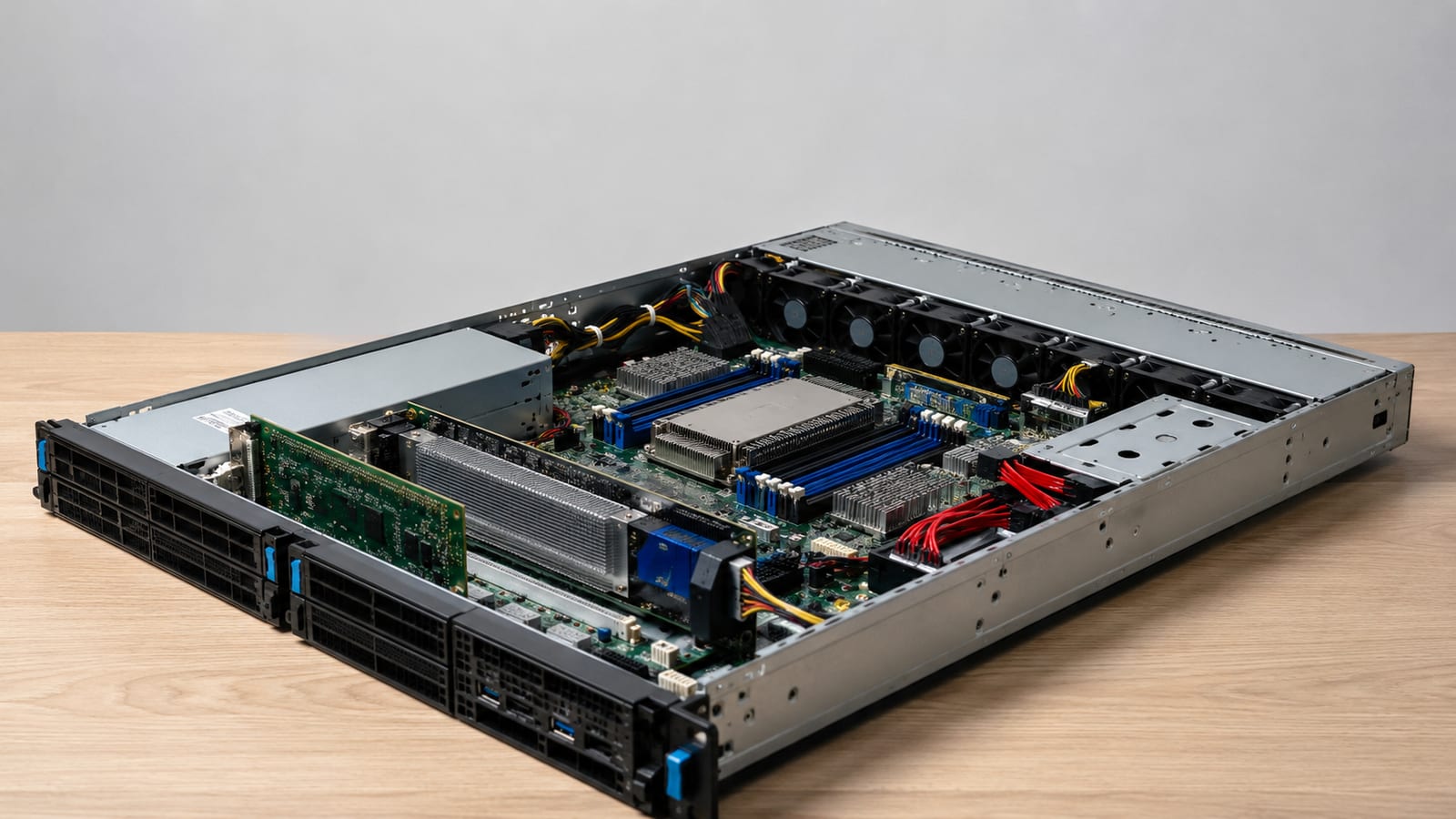
Use lspci, lsusb, lsmod, modinfo, and sysfs to identify bound, loaded, built-in, and missing Linux drivers, then trace probe failures with confidence.
SIGUSR1 defaults to terminating processes with no core dump. Learn why POSIX chose this behavior, how to install handlers, and debug unexpected signal deaths.

Pick the right Linux IPC mechanism for your task: pipes for streaming, sockets for client-server, shared memory for throughput, signals for notifications.

Linux processes cycle through R, S, D, and T states. Learn to read /proc, use strace, and diagnose stuck tasks without guessing or killing blindly.
Master daemon creation in C with the double-fork and setsid technique. Verify detachment with ps and strace to ensure your service survives logout.

CONFIG_BPF_SYSCALL compiles the bpf() syscall into your kernel, the single entry point every eBPF program load and firewall rule requires to work.

Run the kernel verifier off-device during CI to catch eBPF rejections early. Learn verifier basics, log reading, BTF fixes, and troubleshooting methods.

Kernel overhead drains CPU cycles through privilege transitions, context switching, and memory isolation. Learn what causes it and how to measure it yourself.

bpffs mount requires CAP_SYS_ADMIN for both the mount and bpf() syscall. Learn how to diagnose failures, make mounts persistent, and secure pins across reboots.
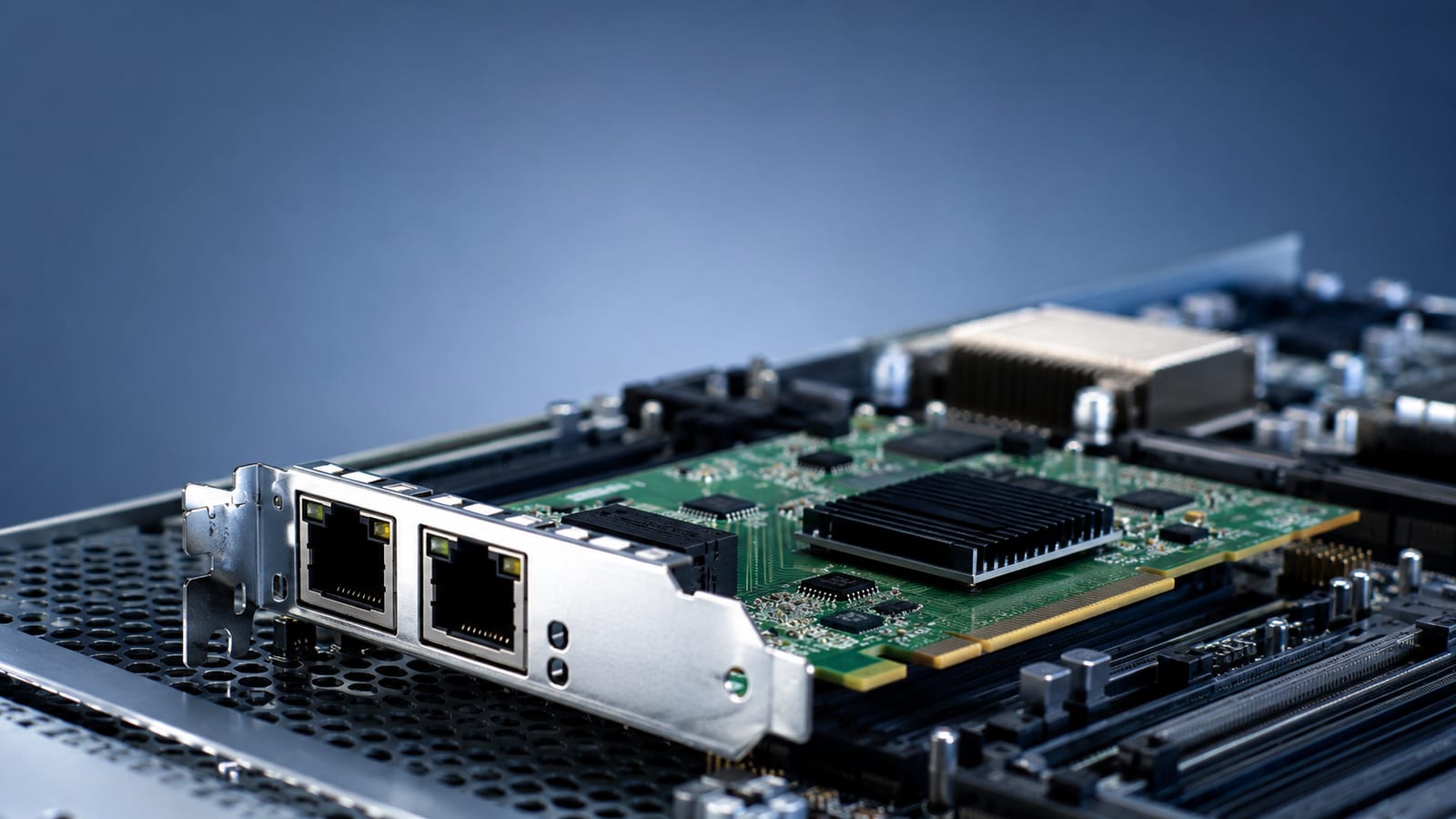
XDP offload runs programs on the NIC processor, not your CPU. Learn which modes actually use hardware and how to verify your real attach mode.

Use modprobe to load Linux kernel modules safely with dependency resolution. This guide covers the commands, diagnostics, and configuration you need.
BCC compiles eBPF C at runtime for deep Linux kernel tracing. Learn when to use BCC versus CO-RE, which tools solve real problems, and how to write safe probes.
Master bpftool for inspecting, loading, and debugging BPF programs. Learn map dumps, program verification, BTF headers, and kernel feature probes.

Katran forwards packets at the NIC receive path using eBPF and XDP, eliminating userspace overhead and lock contention to hold at Facebook scale.

Master Linux kernel contributions by starting small: documentation fixes and checkpatch cleanups teach the workflow without breaking production systems.
poll() works for small file descriptor sets with POSIX compatibility; switch to epoll at scale. Learn when each syscall fits and common pitfalls to avoid.
