

Three Types of Remote Access Software Explained
Three types of remote access solve different problems. Pick relay-based tools for one-offs, peer-to-peer for speed, or RMM platforms for fleet management.
Three types of remote access solve different problems. Pick relay-based tools for one-offs, peer-to-peer for speed, or RMM platforms for fleet management.
Master the five load-bearing controls that stop most attacks: non-root user, key-only SSH, default-deny firewall, reverse proxy, and scheduled patching.
XDP intercepts packets in the driver before the kernel allocates buffers, enabling high-volume DDoS mitigation and load balancing with minimal CPU cost.

I will walk you through a working eBPF IDS Linux setup that hooks kernel events, streams signals to user space, and keeps performance predictable. I start from how the verifier and JIT work in the linux kernel so you can pick the right attach points. I explain kprobes, tracepoints, uprobes, XDP, and LSM in plain […]
CVE-2013-6282 has been patched in upstream kernels for over a decade. Learn why scanners still flag it and how to confirm your system is actually fixed.

The eBPF port scanning detection approach shows how kernel-level programs can answer TCP SYNs without leaving the fast path. I guide you through a compact XDP example that reads Ethernet, IPv4, and TCP headers in the kernel. You will see how a simple program spots a SYN and replies with a SYN-ACK to emulate an […]
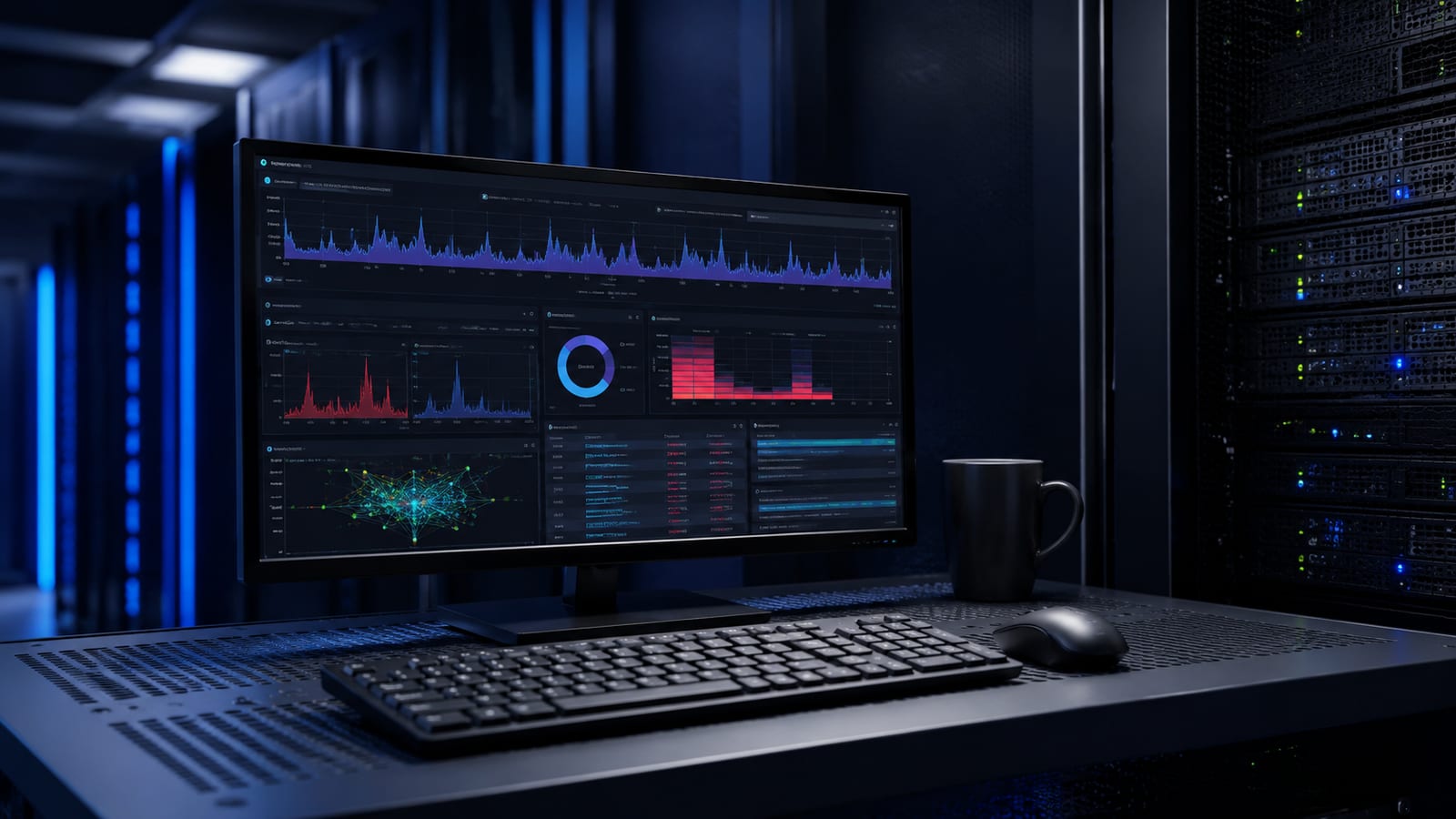
Falco requires modern eBPF drivers, DaemonSet deployment, rule tuning, and Falcosidekick integration to catch runtime threats in production clusters.
