
Fork vs. Vfork: How Memory Sharing Changes Process Safety
The key difference is memory isolation: see how fork() uses copy-on-write, why vfork() suspends the parent, and when each call is safe in practice.
The key difference is memory isolation: see how fork() uses copy-on-write, why vfork() suspends the parent, and when each call is safe in practice.

SIGUSR1 defaults to terminating processes with no core dump. Learn why POSIX chose this behavior, how to install handlers, and debug unexpected signal deaths.
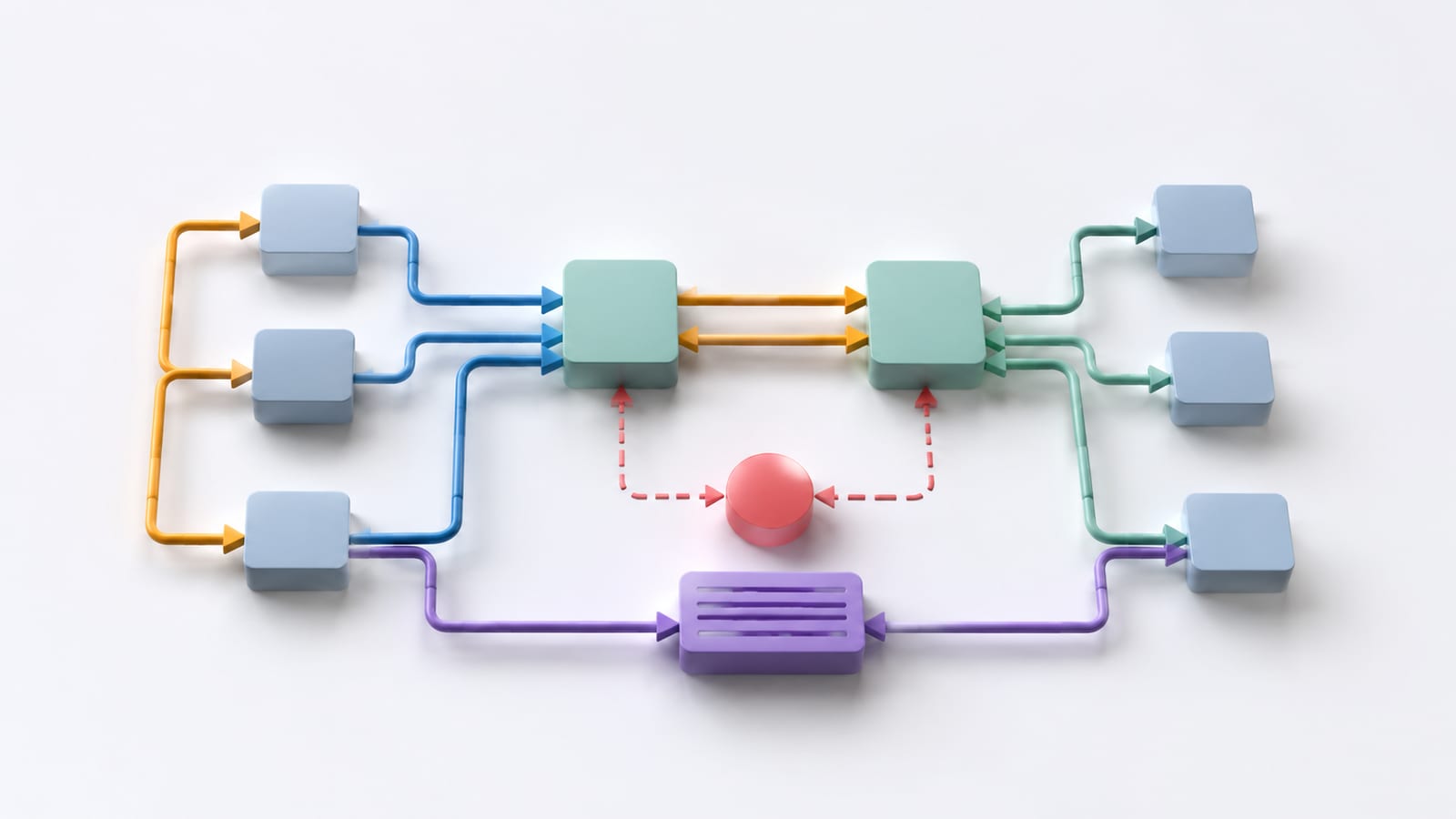
Pick the right Linux IPC mechanism for your task: pipes for streaming, sockets for client-server, shared memory for throughput, signals for notifications.

File descriptors are per-process integers that index into a three-layer table structure. Learn how the kernel connects descriptors to open files and inodes.

Linux processes cycle through R, S, D, and T states. Learn to read /proc, use strace, and diagnose stuck tasks without guessing or killing blindly.
Master daemon creation in C with the double-fork and setsid technique. Verify detachment with ps and strace to ensure your service survives logout.

Have you ever wondered how a user program actually reaches the kernel to do privileged work? I set the goal for this tutorial: show how a program crosses the CPU boundary, what the kernel does next, and how you can verify behavior with tracing tools. I explain what you will be able to do by […]
poll() works for small file descriptor sets with POSIX compatibility; switch to epoll at scale. Learn when each syscall fits and common pitfalls to avoid.
